Wisdom teeth,
without the drama.
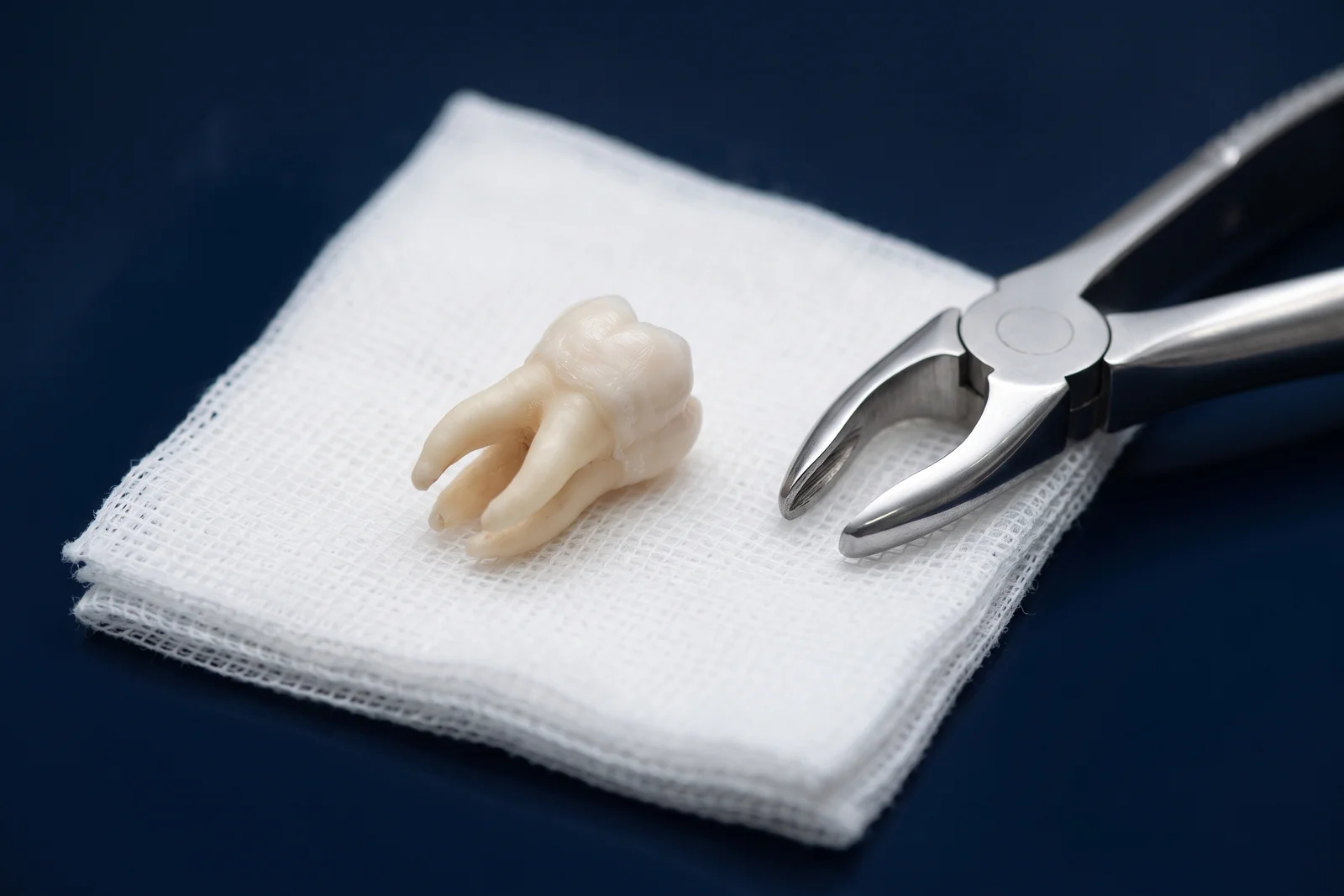
Wisdom teeth are the last molars to erupt and often lack space: they end up tilted, partially covered or inside the bone. They are removed to prevent pain, infection and damage to neighboring teeth.
A panoramic X-ray—and a CT scan when the root is close to the nerve—determines whether the tooth comes out with a simple extraction or needs surgery: opening the gum, removing some bone and sometimes sectioning the tooth.
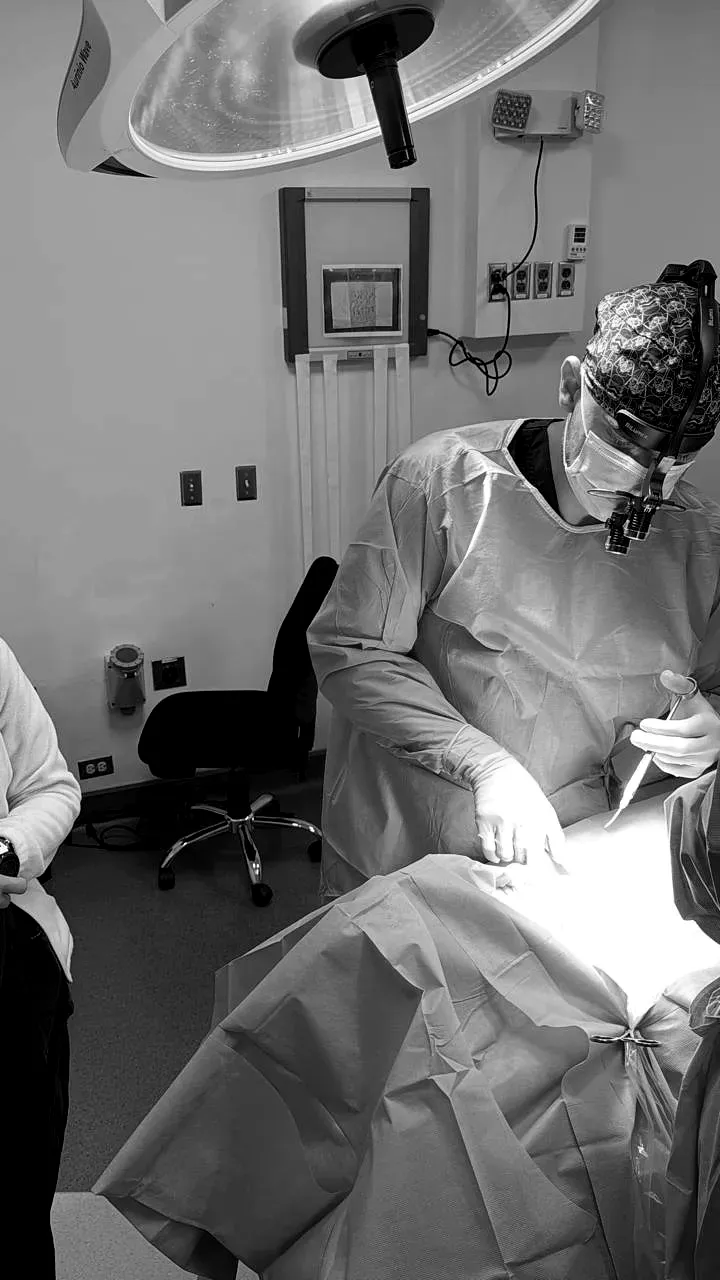
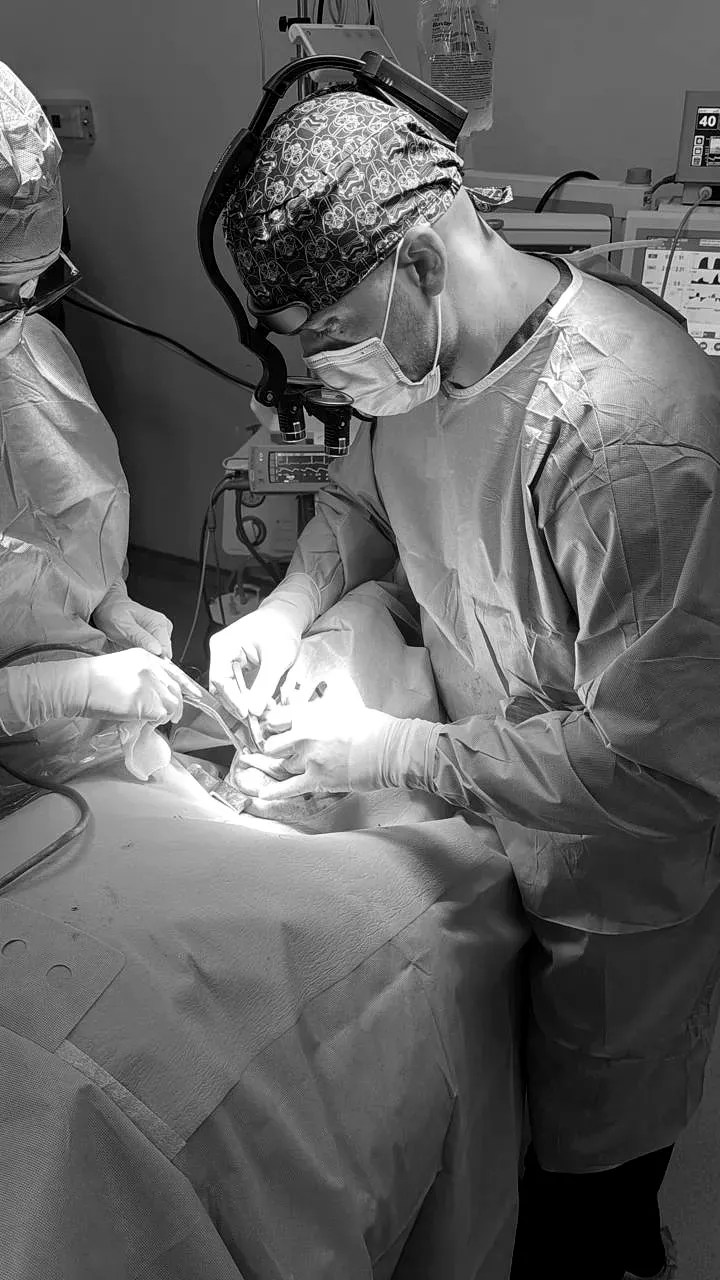
It is performed under local anesthesia, with conscious sedation available for anxious patients or when several teeth are removed in one session. The procedure takes 20 to 60 minutes per tooth.
- 01Wisdom teeth with pain, swelling or recurring infections (pericoronitis).
- 02Impacted or tilted teeth pushing on or damaging the second molar.
- 03Orthodontic patients or before orthognathic surgery, as indicated by the orthodontist.
It depends on how the tooth sits.
Pick a position and see what changes in the procedure. The X-ray makes the call.
Part of the crown is still under gum or bone. The gum is opened, some bone may be removed and the tooth sectioned.
- Day 1
Cold packs, rest, cold soft diet.
- Day 2–3
Peak swelling; pain relief as prescribed.
- Day 4–5
Swelling subsides; warm soft diet.
- Day 7
Check-up and suture removal if needed.
Why a wisdom tooth becomes surgical
- 01Second molar
- 02Tilted, partially covered wisdom tooth
- 03Retaining bone
- 04Inferior alveolar nerve
- 05Gum
How the process works.
- 01X-ray
Panoramic and, if needed, CT scan: position, roots and distance to the nerve.
- 02Classification
Simple or surgical. The type of procedure, estimated time and expected recovery are explained.
- 03Surgery
Local anesthesia or conscious sedation. Resorbable sutures or removal at 7 days.
- 04First days
Cold, soft diet, medication and written instructions. Swelling subsides between days three and five.
- 05Follow-up
Check-up at one week. Return to normal activity within a few days depending on the case.
What patients ask before deciding.
Book your consultation.
One visit to review your case with imaging and leave with a clear plan: procedure, time and recovery.