Orthognathic surgery
to improve function and facial harmony
Personalized planning to correct the position of the jaws and achieve a better relationship between bite, function and face.
When the position of the jaws affects more than the bite
A bite problem cannot always be corrected by moving the teeth alone.
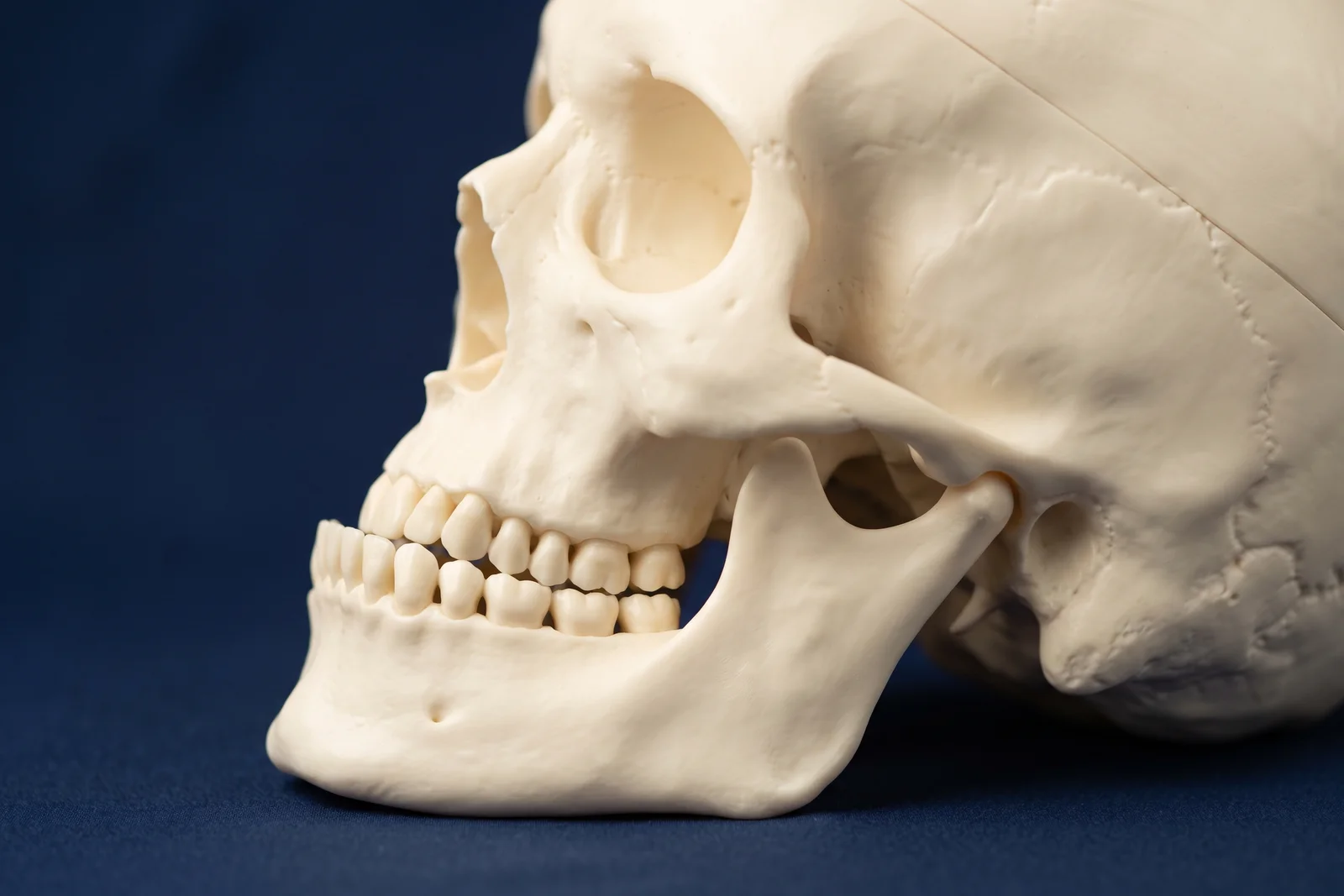
In some patients, the position or size of the maxilla and mandible creates an alteration in the relationship between them. This can affect how the teeth fit together, chewing, closing the mouth and also the harmony of the face.
Orthognathic surgery makes it possible to modify the position of the jaws to achieve a more adequate relationship between the facial structures.
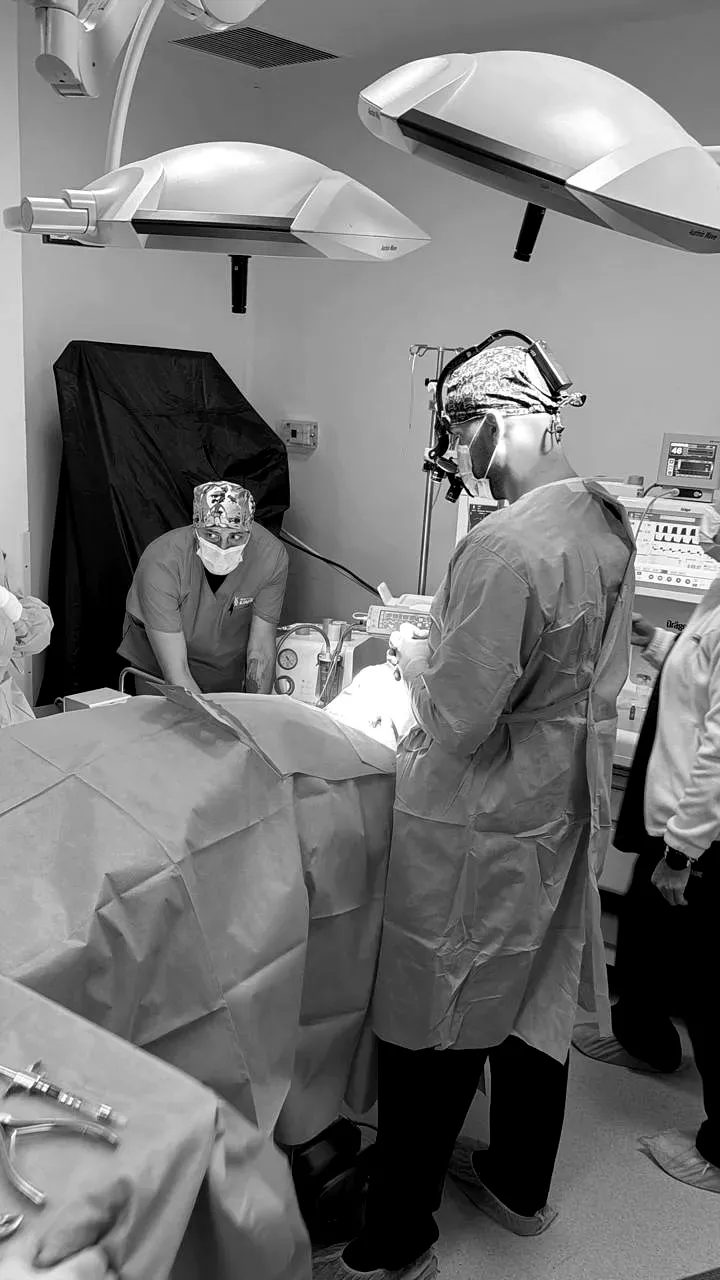
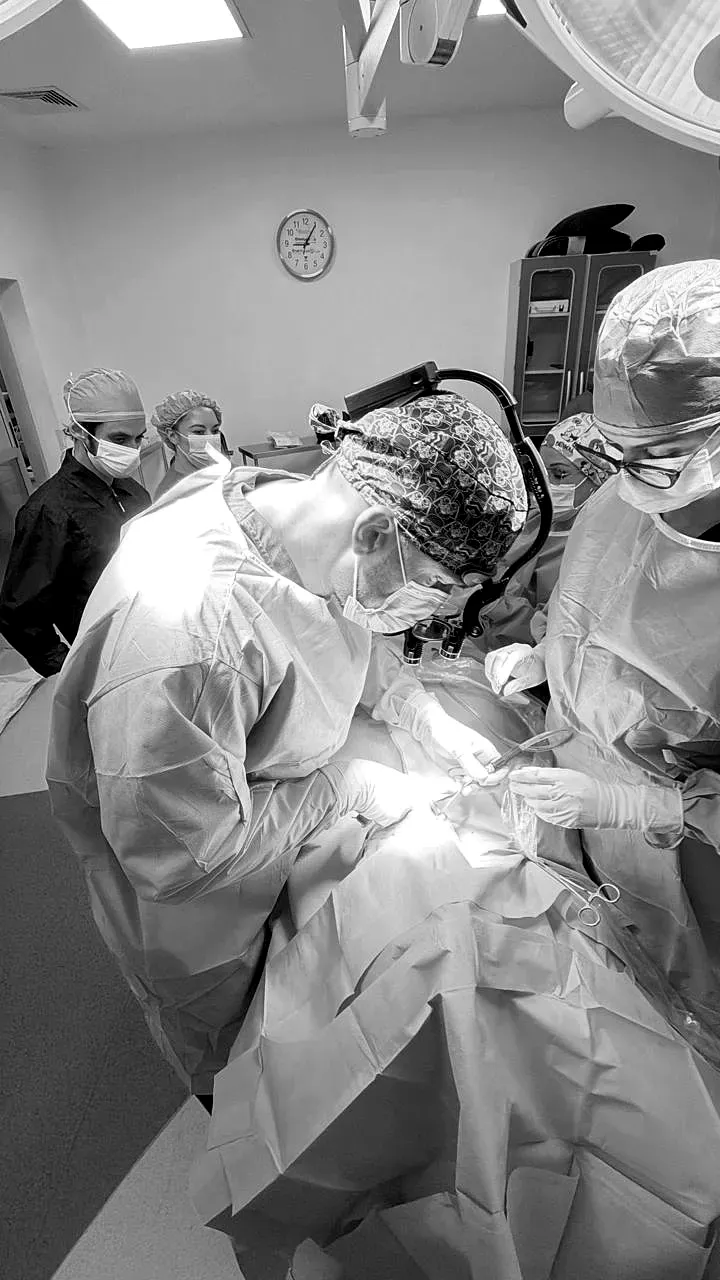
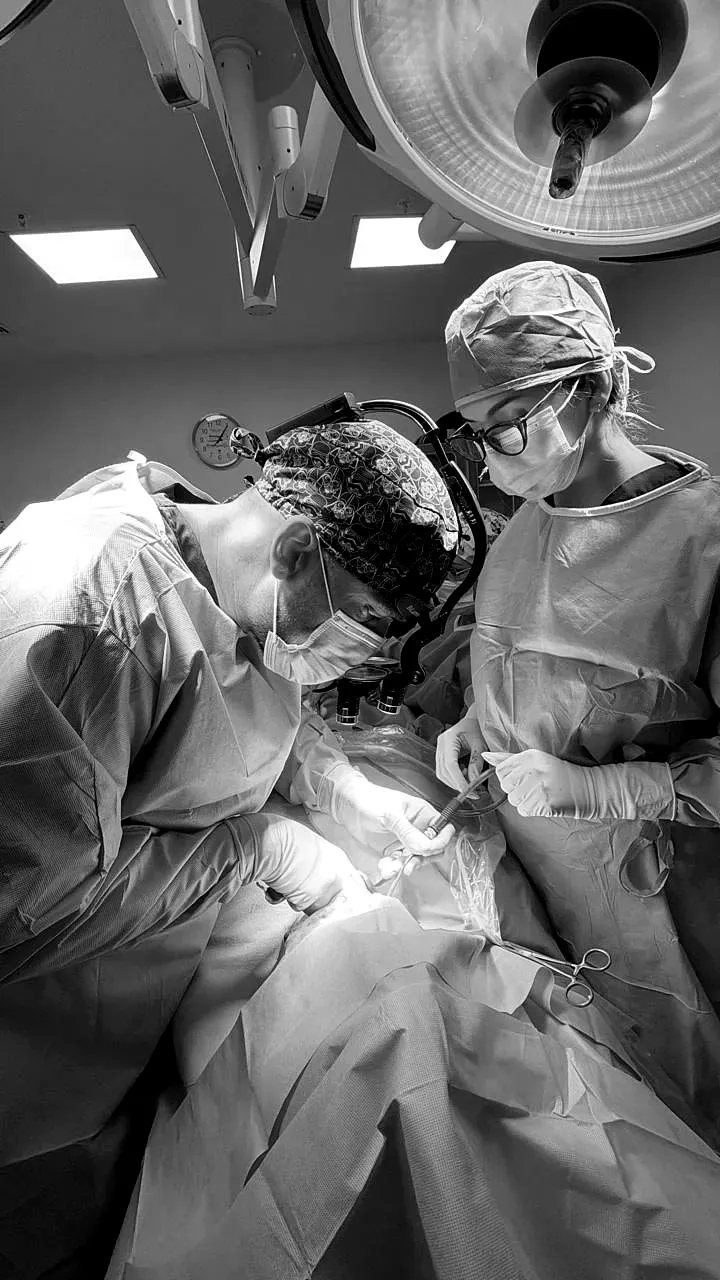
It is a surgical procedure that repositions the maxilla, the mandible or both, according to the characteristics and needs of each patient.
The goal is not only to change the appearance of the face. Planning seeks to integrate function, bite and facial harmony to obtain a balanced result.
In many cases, treatment is carried out together with orthodontics, which prepares the position of the teeth before and after surgery.
Orthognathic surgery may be considered when there is an alteration in the relationship of the jaws that affects function or facial harmony. Some situations may include:
- 01Protruding or receding lower jaw
- 02Protruding or receding upper jaw
- 03Bites that cannot be corrected with orthodontics alone
- 04Facial asymmetries
- 05Alterations in the relationship between the maxilla and the mandible
- 06Functional difficulties related to the position of the jaws
Each case requires an individual evaluation to determine whether surgery is indicated.
Planning that begins long before surgery
Orthognathic surgery requires detailed planning.
Before the procedure, the relationship between the teeth, the jaws and the facial structures is analyzed. From this information, the necessary movements are determined, along with how they can improve the function and harmony of the face.
When treatment requires orthodontics, the maxillofacial surgeon and the orthodontist work in coordination to plan each stage.
How does the process work?
- 01Consultation
The characteristics of each patient are studied: bite, function and facial proportions.
- 02Diagnosis and planning
The necessary studies are carried out to analyze the position of the jaws and define the surgical movements.
- 03Preparation
When indicated, treatment is coordinated with orthodontics to prepare the teeth for the new jaw relationship.
- 04Surgery
The jaws are repositioned according to the plan.
- 05Recovery and follow-up
After surgery, follow-up is carried out to accompany the recovery and the evolution of the result.
Function and harmony must work together
Orthognathic surgery does not simply seek to change the shape of the face.
Proper planning considers how the teeth, the jaws and the facial structures work together.
That is why each surgical movement must respond to the particular needs of the patient and the goals set during diagnosis.
What patients ask before deciding.
Book your consultation.
One visit to review your case with imaging and leave with a clear plan: procedure, time and recovery.