Dental implants
Recover your smile from the root
Losing a tooth does not mean having to get used to living without it. A dental implant replaces the lost root and provides a firm base for a crown, helping recover function, aesthetics and confidence when smiling.
As a maxillofacial surgeon, Dr. Daniel Rodríguez plans and places implants taking into account the particular conditions of each patient and their bone structure.
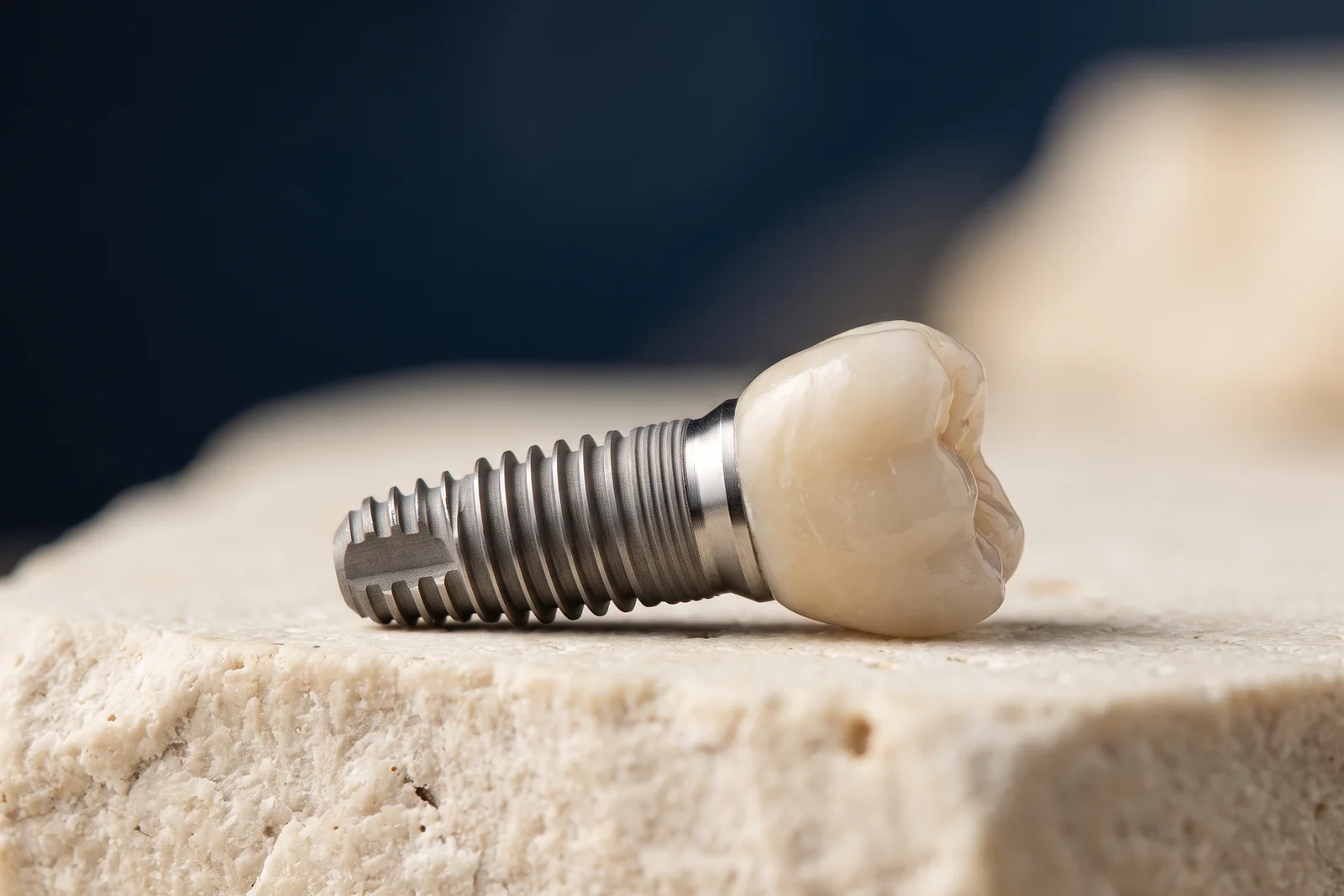
A dental implant is a structure placed in the bone to replace the root of a lost tooth. Once integrated with the bone, it serves as support for a restoration that recovers the appearance and function of the tooth.
The treatment can be an alternative both to replace a single tooth and to rehabilitate several teeth or a full arch, depending on the needs of each patient.
A new tooth, from the root
The dental implant replaces the lost root and integrates with the bone, providing a firm base for a fixed crown.
Depending on the conditions of each case, there are different rehabilitation options:
- 01Implant + final crownA fixed solution to replace the lost tooth and recover its function and aesthetics.
- 02Implant + provisional prosthesisA temporary alternative to recover aesthetics and function while the integration process is completed and the final restoration is made.
The right option is determined after evaluating the conditions of each patient.
Why choose a maxillofacial surgeon?
Placing an implant does not begin when the implant is placed. It begins with good planning.
Evaluating the quantity and quality of bone, the position of anatomical structures and the functional and aesthetic needs of each patient is a fundamental part of the process.
As a maxillofacial surgeon, Dr. Daniel Rodríguez has specialized training in surgical procedures involving the jaws and the facial structure.
Each case is studied individually to determine the most suitable alternative.
Do you need an implant?
- 01One missing toothIndividual replacement without using neighboring teeth as support.
- 02Several missing teethDifferent implant configurations can be used to recover several teeth.
- 03Complete tooth lossThere are implant-supported rehabilitation alternatives for patients who have lost all their teeth.
What if I don't have enough bone?
A lack of bone volume does not necessarily mean you cannot receive an implant.
When the quantity or quality of bone is insufficient, additional procedures may be required to prepare the area before or during implant placement.
During the consultation, the condition of the bone is analyzed and the options for each case are determined.
First we evaluate. Then we plan.
- 01Consultation
We get to know your case, your needs and your expectations.
- 02Diagnosis and planning
We analyze the conditions of your mouth and bone structure to define the treatment.
- 03Implant placement
The implant is placed in the planned position.
- 04Integration
The implant needs a period of integration with the bone before the final rehabilitation is completed.
- 05Restoration
Once conditions are right, the corresponding crown or prosthesis is placed.


Is getting an implant painful?
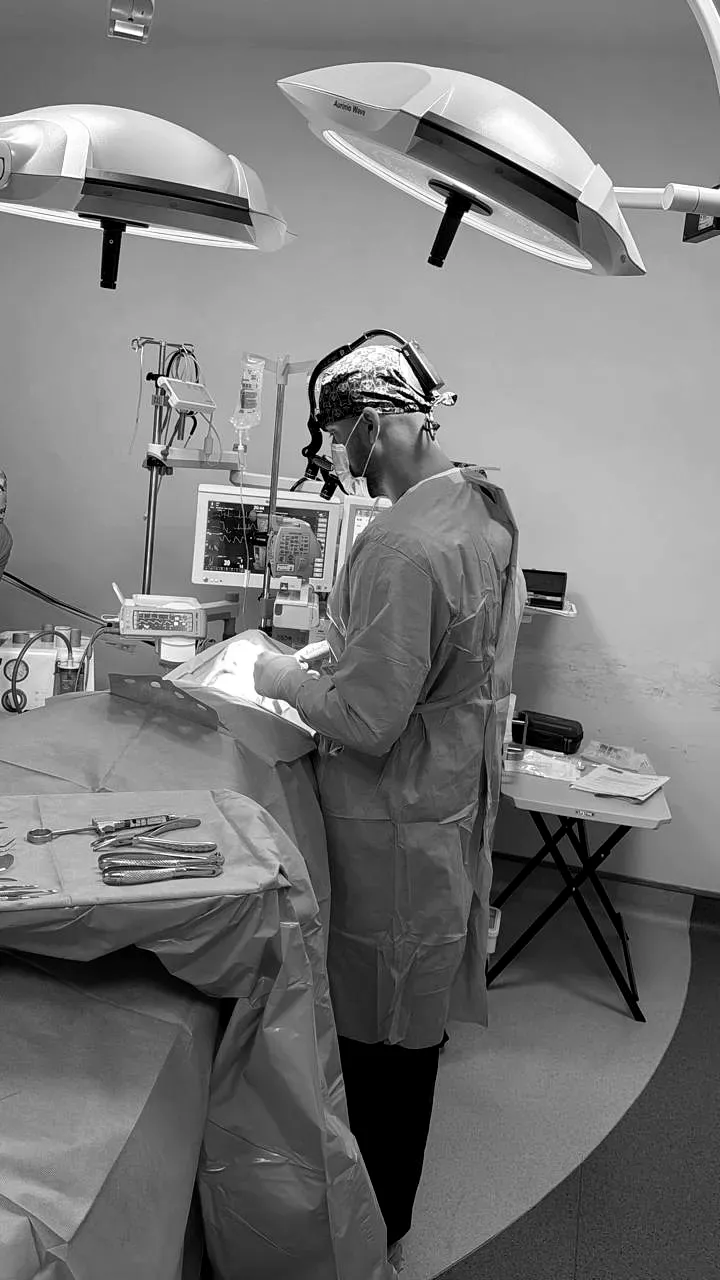
Placement is performed under anesthesia, so you should not feel pain during the procedure.
After surgery there may be swelling, sensitivity or discomfort, which vary depending on each case and the procedure performed. Dr. Daniel will tell you the care and medication needed for your recovery.
How long does an implant last?
The lifespan of an implant depends on different factors, such as oral health, hygiene, bone conditions, habits and follow-up check-ups.
An implant is not an isolated treatment: its maintenance and care are also part of the long-term result.
What patients ask before deciding.
Your treatment starts with a diagnosis.
Every patient and every mouth is different. That is why, before talking about implants, it is important to carry out a complete evaluation and determine which alternative is right for you.