Impacted teeth
and complex extractions
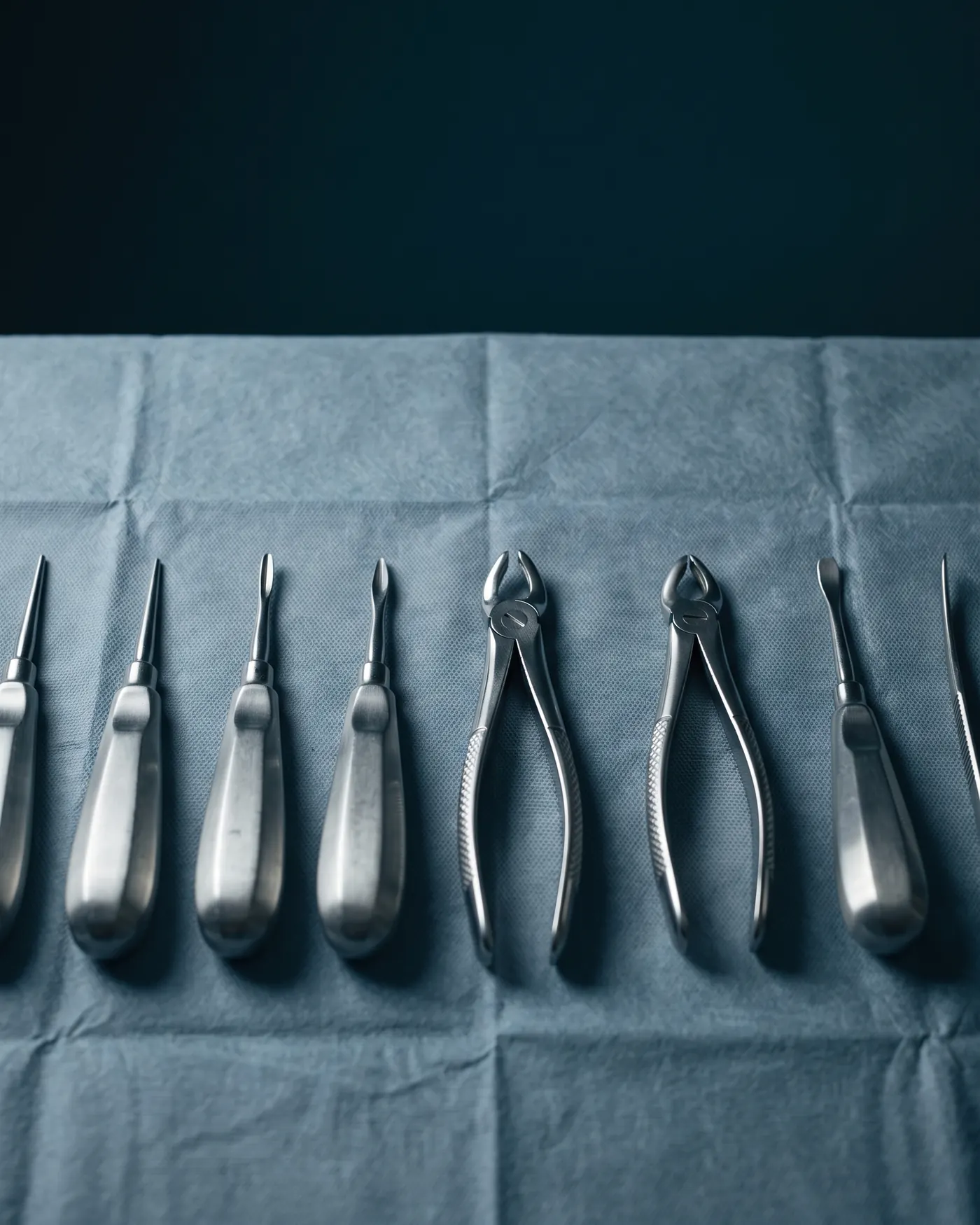
A tooth stuck inside the bone, a fractured root or an infected molar do not always come out with a simple extraction. They are planned with imaging to remove what is needed and protect what surrounds it.
- Anesthesia
- Local, with conscious sedation available
- Duration
- 20–60 min per tooth, approx.
- Where
- In the practice
- Recovery
- Most resume their routine in 2–4 days
Approximate values: every case is different and your plan confirms them at the consultation.
It is a tooth that did not come into place and stayed inside the bone or under the gum. After wisdom teeth, the most common are the upper canines. Sometimes they can be brought into position with orthodontics; other times it is better to remove them.
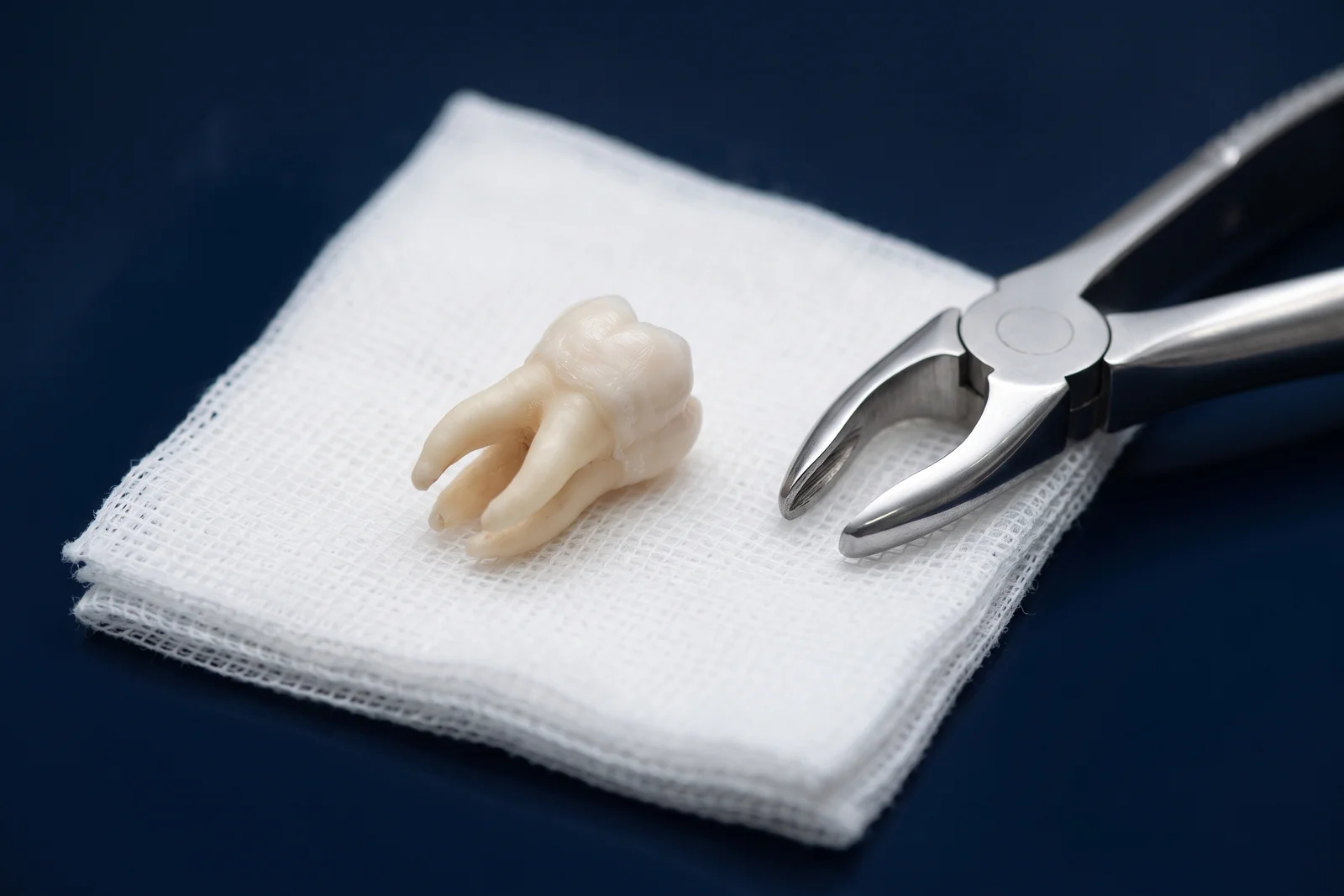
A complex extraction is one where the tooth does not come out whole: curved or fractured roots, badly broken-down teeth, teeth fused to the bone or infected. A surgical technique sections the tooth and preserves the bone, especially if an implant follows.
- 01Your orthodontist found an impacted canineexposure is coordinated to bring it into place, or it is removed.
- 02A root or a fractured tooth was left behindit is removed surgically and, if an implant follows, the bone is preserved.
- 03You have an infected molar that cannot be savedthe infection is controlled and the extraction is planned.
Bring it into place or remove it.
- 01With orthodontics
Exposure and traction
The crown is uncovered, a button with a chain is bonded and the orthodontist guides it into place over months. The option when the tooth's position allows it.
- 02Removal
Surgical extraction
When the tooth cannot be brought in, damages neighboring roots or has an associated cyst, it is removed with a bone-sparing technique.
- 03Erupted teeth
Complex extraction
Fractured, curved or bone-fused roots. They are sectioned and removed in parts; if an implant follows, the socket can be preserved at the same visit.
Imaging decides how it is operated.
- 01BeforeX-ray and CT scan
Exact position of the tooth, neighboring roots, nerve and sinus.
- 02BeforePlan with the orthodontist
If the tooth is to be brought into place, the timing of the exposure is coordinated.
- 03Day 0Surgery
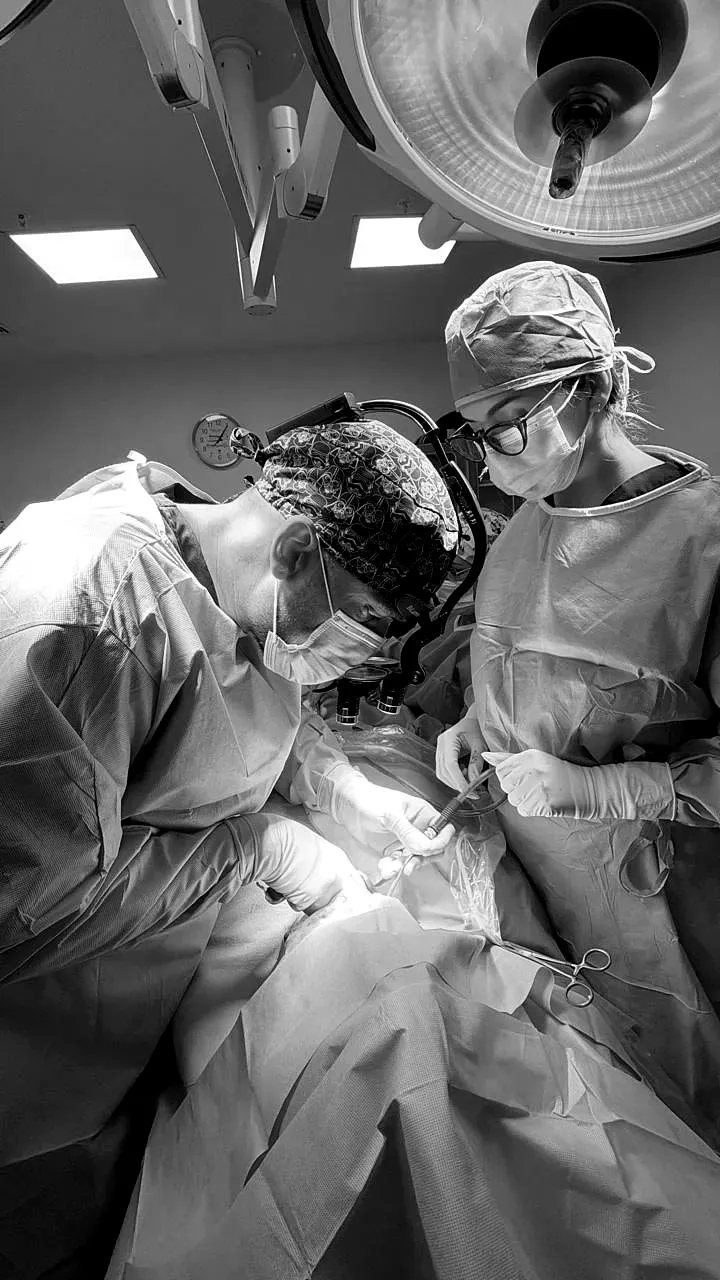
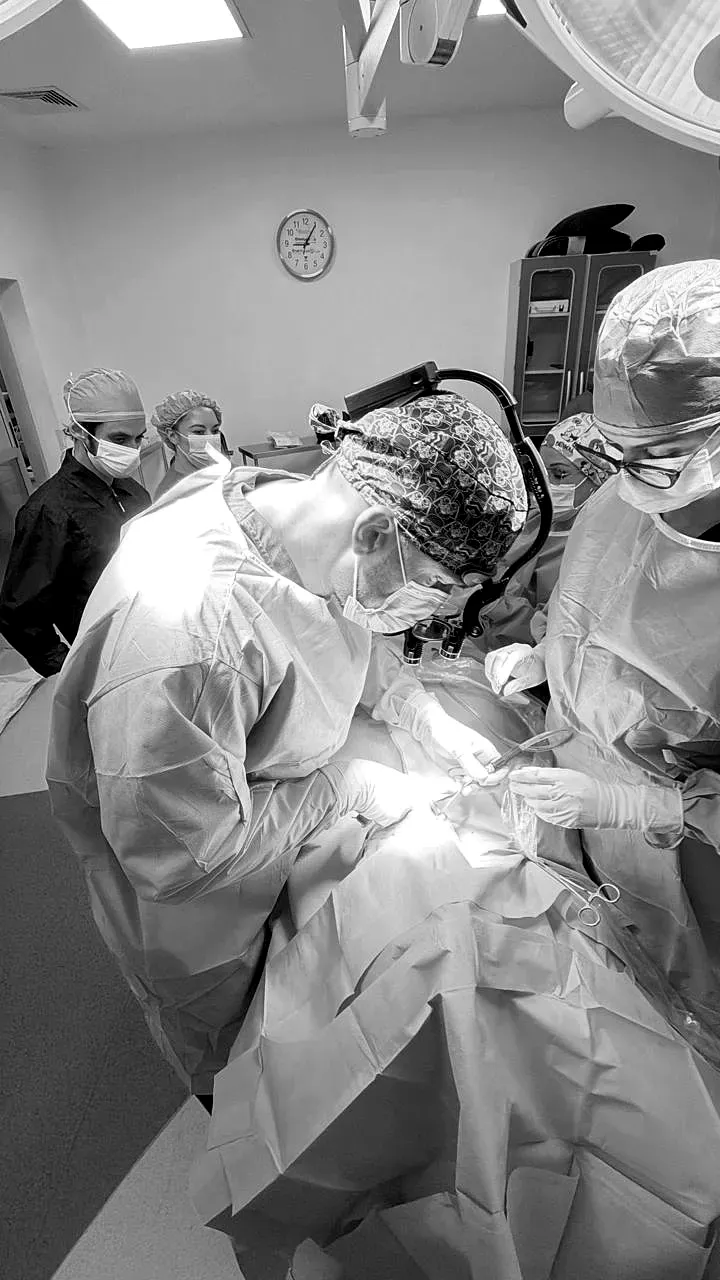
Local anesthesia or sedation. Exposure with button and chain, or removal of the tooth; sutures.
- 04Day 7Check-up
Review and suture removal if needed.
- 05MonthsFollow-up
After traction, the orthodontist activates the chain at each visit; after an extraction, the next step is planned.
What to expect afterwards
- Day 1
Cold packs, rest, cold soft diet.
- Days 2–3
Peak swelling; medication as prescribed.
- Days 4–5
Swelling goes down; warm soft diet.
- Day 7
Check-up and suture removal if needed.
When to seek care promptly
- Swelling of the face or neck that keeps spreading
- Fever with toothache
- Difficulty opening the mouth or swallowing

What patients ask before deciding.

Book your consultation.
One visit to review your case with imaging and leave with a clear plan: procedure, time and recovery.