ProceduresOral surgery · Frenula

Frenectomy:
freeing the tongue or the lip

The frenulum is the fold that joins the tongue or the lip to the gum. When it is short or thick it limits movement, separates teeth or pulls on the gum; a frenectomy releases it in a brief procedure.

Anesthesia
Local, or conscious sedation with an anesthesiologist
Where
In the practice
Discomfort
Mostly the first week
Afterwards
Stretching exercises

Approximate values: every case is different and your plan confirms them at the consultation.

What is a frenulum and when does it get in the way?

The mouth has several frenula. The best known are the lingual one, under the tongue, and the upper labial one, between the lip and the front teeth. A short lingual frenulum is called ankyloglossia, or tongue-tie.

A frenectomy cuts or removes the frenulum and repositions the tissue so the tongue or the lip can move freely. It is closed with fine stitches.

In babies who struggle to breastfeed a shorter version is used, frenotomy: a simple cut of the lingual frenulum. The decision is made together with the paediatrician and the lactation team.

When is it indicated?
  • 01The tongue does not lift or stick out welland this affects speech, swallowing or hygiene.
  • 02A gap between the upper front teeththat the orthodontist links to the labial frenulum.
  • 03The frenulum pulls on the gumand encourages it to recede.
  • 04A denture that the frenulum dislodgesin people with removable dentures.

Not every visible frenulum is a problem: it is treated when it limits a function or when the orthodontist or speech therapist recommends it.

How it works

A lingual frenectomy, in three steps

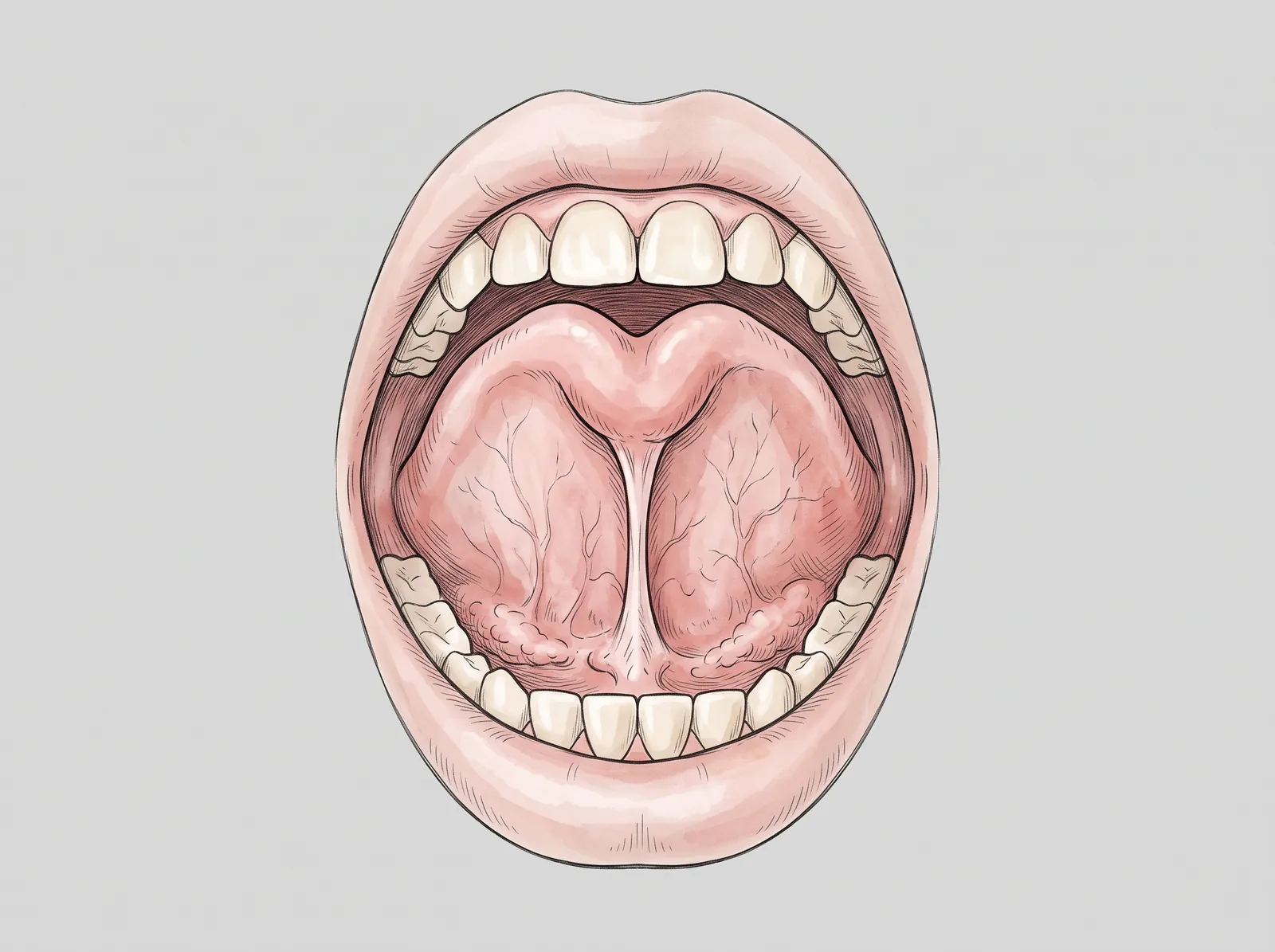
Illustration of an open mouth with the tongue lifted and the lingual frenulum — A frenulum that anchors the tongue
01Step 1/3

A frenulum that anchors the tongue

The frenulum joins the tip of the tongue to the floor of the mouth. If it is short, the tongue cannot lift fully and the tip turns heart-shaped when you try.

  • 1Short frenulum
  • 2Heart-shaped tongue tip
  • 3Floor of the mouth
  • 4Lower front teeth
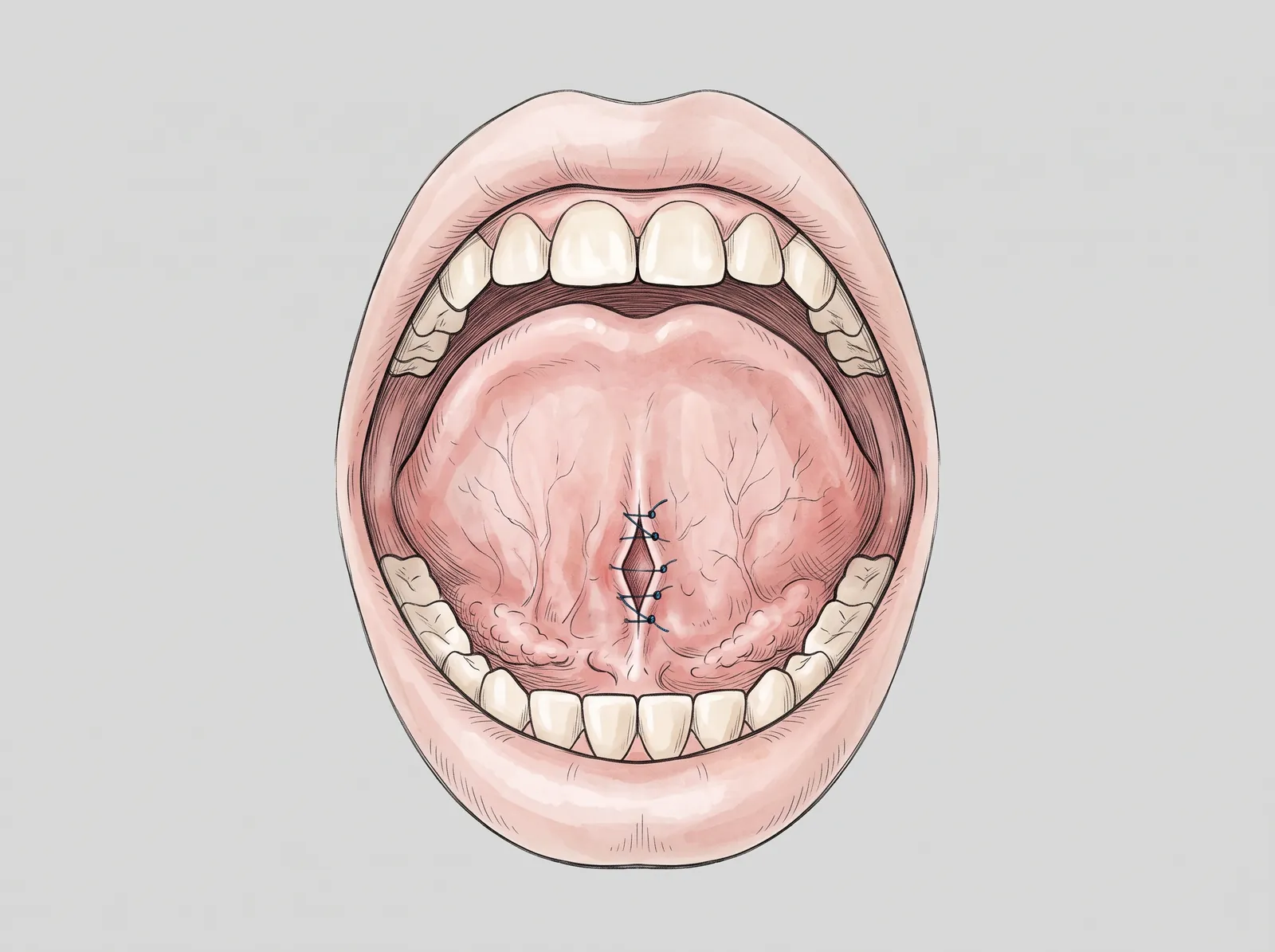
Illustration of an open mouth with the tongue lifted and the lingual frenulum — Released and closed with stitches
02Step 2/3

Released and closed with stitches

Under local anesthesia the frenulum is cut or removed and the diamond-shaped wound is closed with fine stitches. The tip is free.

  • 1Wound closed with stitches
  • 2Free tongue tip
  • 3Floor of the mouth
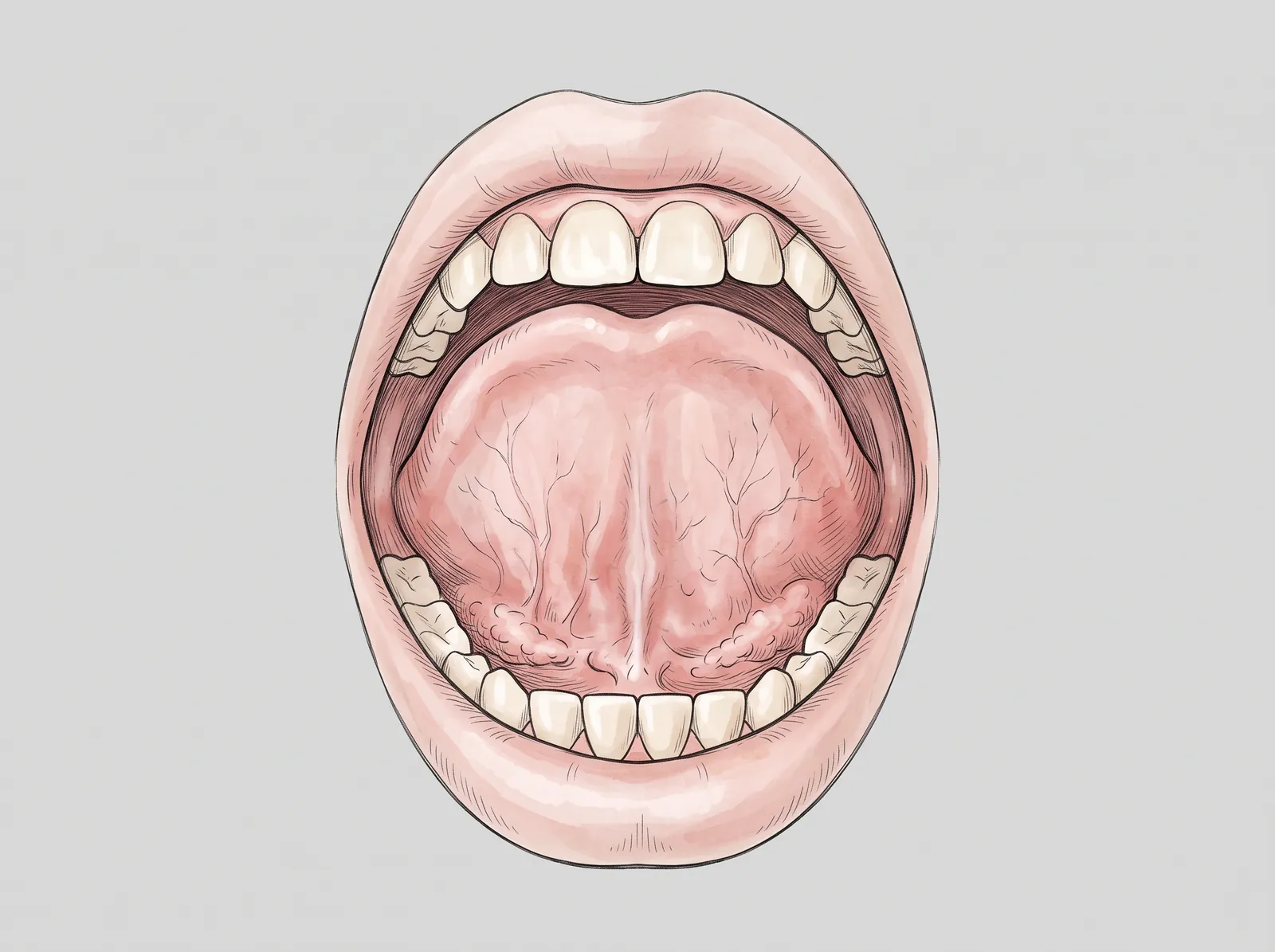
Illustration of an open mouth with the tongue lifted and the lingual frenulum — Two weeks later
03Step 3/3

Two weeks later

With the stretching exercises the wound heals long and thin, and the tongue moves freely.

  • 1Fine scar
  • 2The tongue moves freely
  • 3Lower front teeth
Options

Lingual or labial, depending on what it limits.

  • 01Under the tongue

    Lingual frenectomy

    Frees the tongue. It is usually followed by exercises and, if speech is affected, speech therapy.

  • 02Upper lip

    Labial frenectomy

    Removes the frenulum that runs between the front teeth. The timing is coordinated with the orthodontist.

  • 03Babies

    Frenotomy

    A simple cut of the lingual frenulum in infants who struggle to breastfeed, decided with the paediatrician.

Step by step

One brief visit and a few days of care.

  1. 01Consultation
    Assessment

    We check how much the tongue or the lip moves and, if relevant, the orthodontist's or speech therapist's view.

  2. 02Day 0
    Procedure

    Under local anesthesia the frenulum is released and closed with fine stitches.

  3. 03Days 1–7
    Exercises

    Gentle stretches several times a day, so the wound does not heal short again.

  4. 04Weeks 1–2
    Check-up

    Review of healing and movement.

After a frenectomy

What to expect

  1. Days 1–3

    Discomfort similar to a mouth ulcer; soft, cold food.

  2. Days 4–7

    Discomfort eases; keep up the exercises.

  3. Week 2

    The wound is almost closed.

  4. Afterwards

    Speech or myofunctional therapy, if recommended.

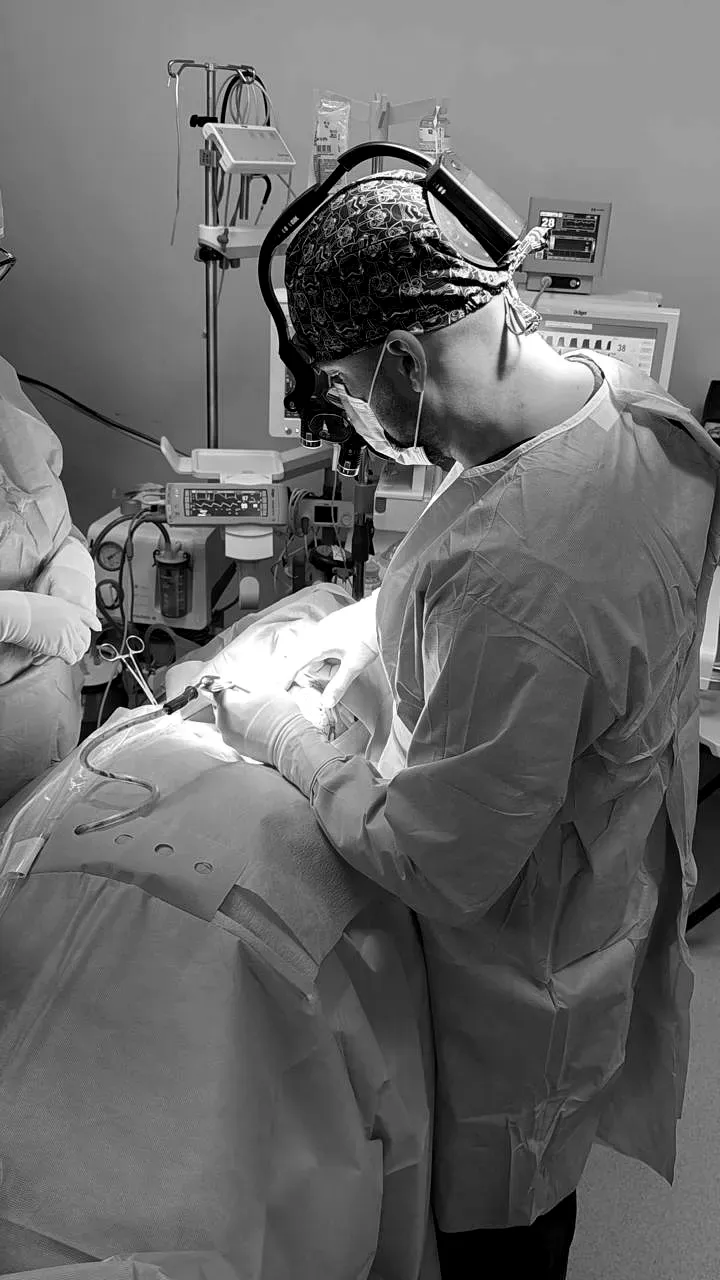
  • Working with magnification loupes during surgery
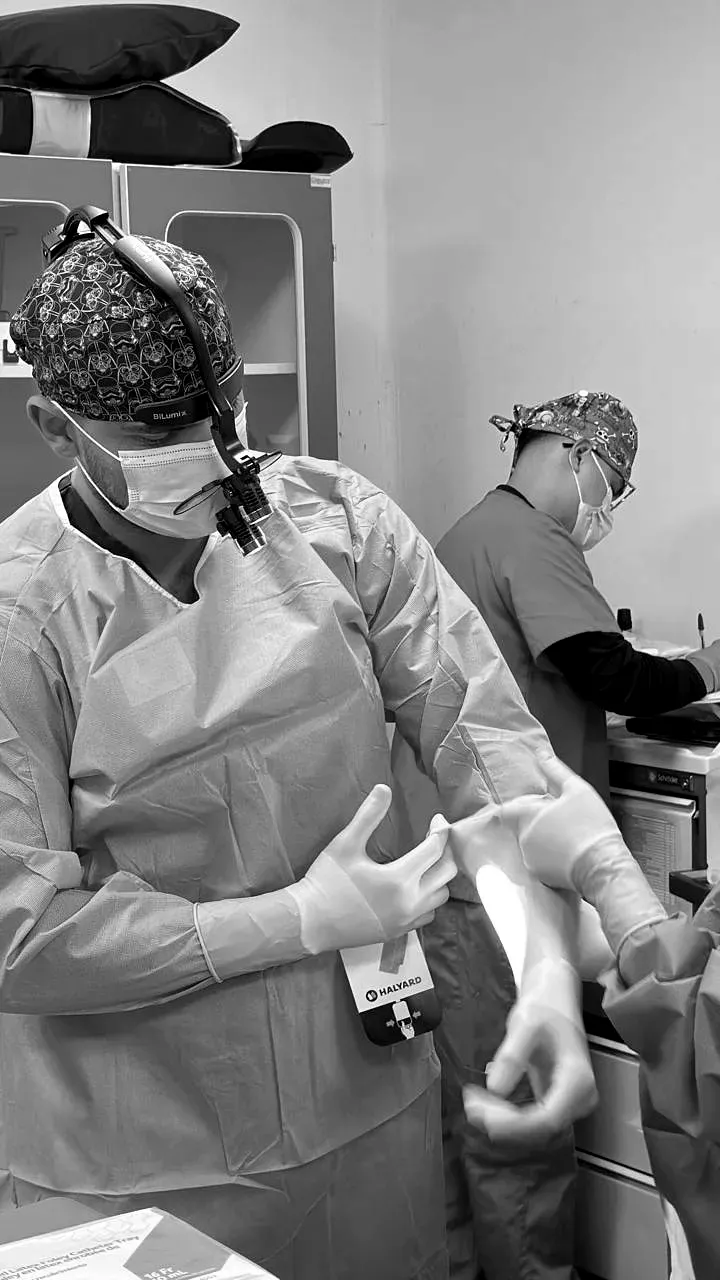
  • Gowning and gloving before surgery
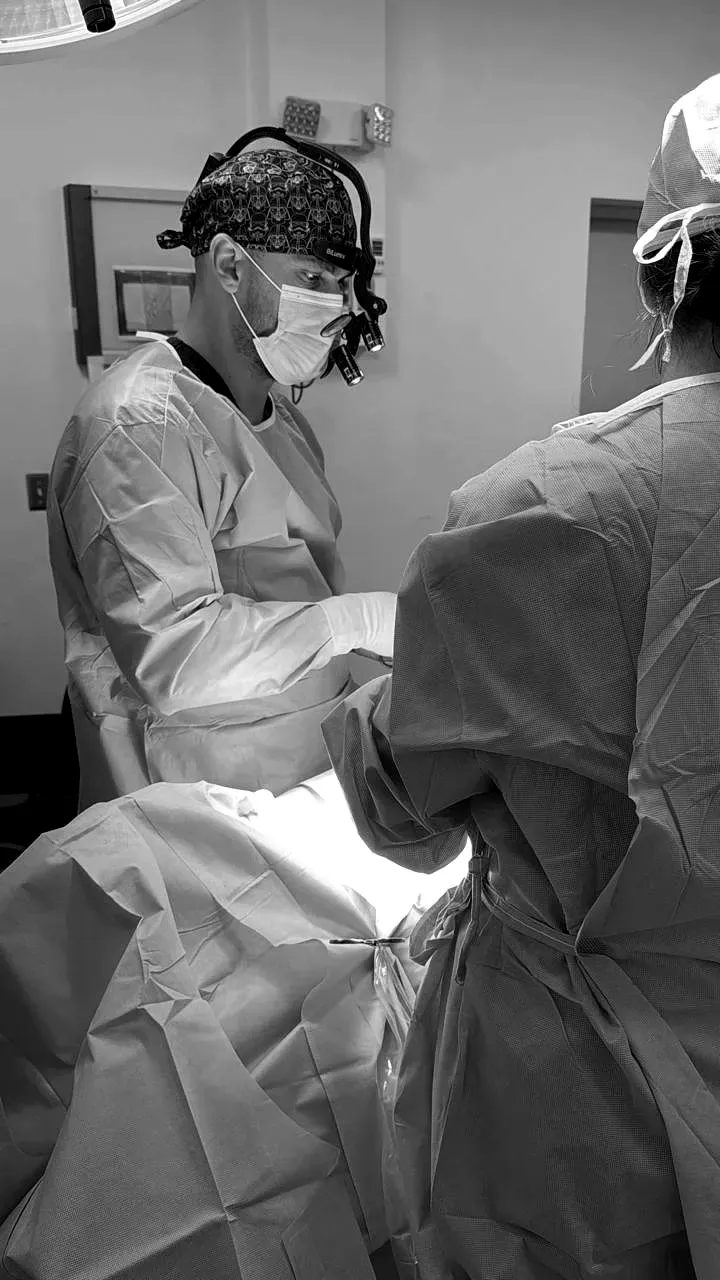
  • Dr. Rodríguez and his team in the operating room
Frequently asked

What patients ask before deciding.

At any age. In babies it is assessed for breastfeeding; in children, for speech or orthodontics; in adults, for tongue movement, the gum or a denture.
Under local anesthesia the procedure should not hurt. Afterwards the discomfort is like a mouth ulcer and is concentrated in the first days.
If the wound heals stuck together, yes. That is why stretching exercises are recommended in the first days.
It frees the movement, but speech is learned: it is often combined with speech therapy.
It depends on the case; the timing is decided together with the orthodontist.
Next step

Book your consultation.

One visit to review your case with imaging and leave with a clear plan: procedure, time and recovery.