01Step 1/3
The fracture
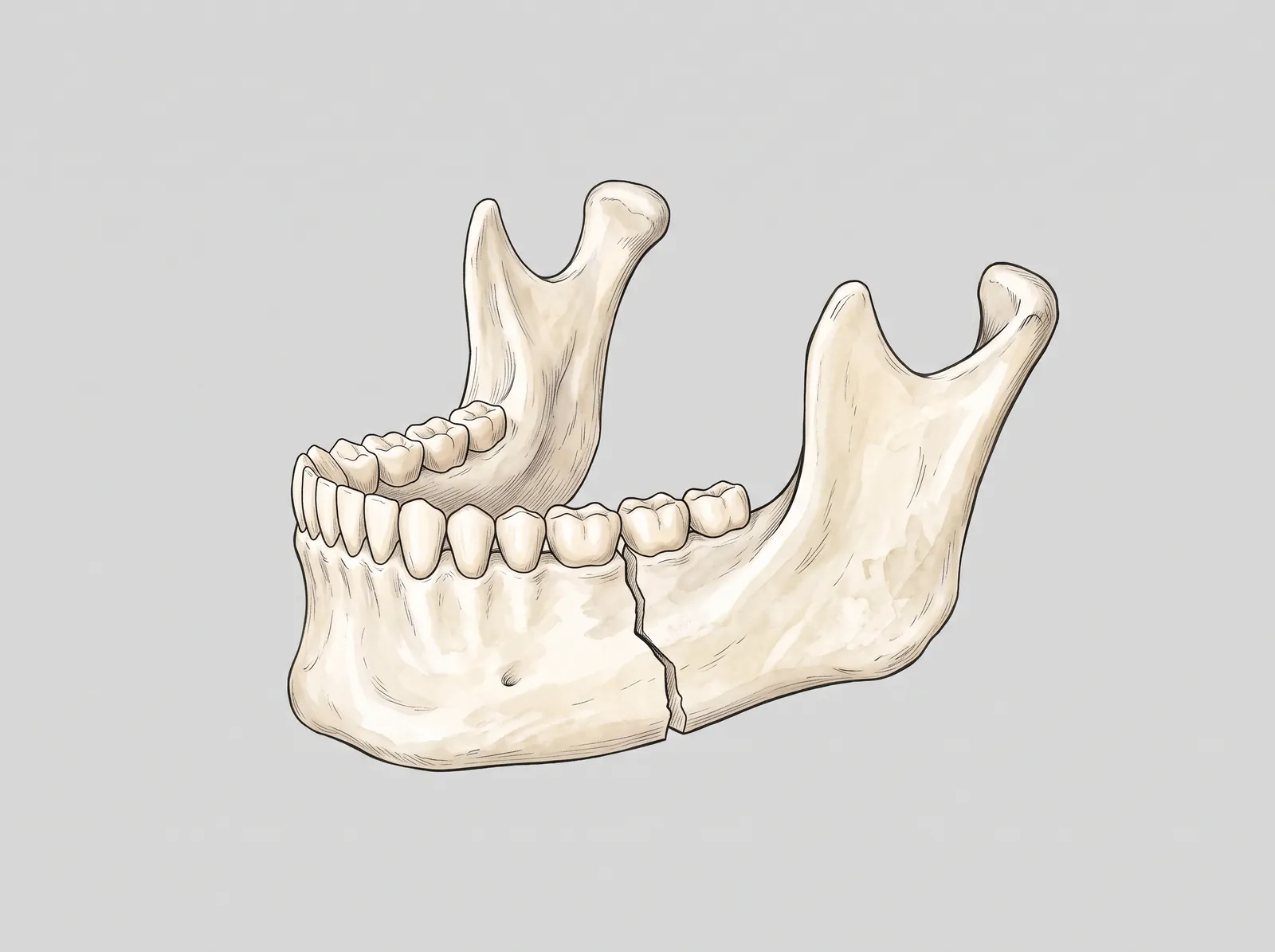
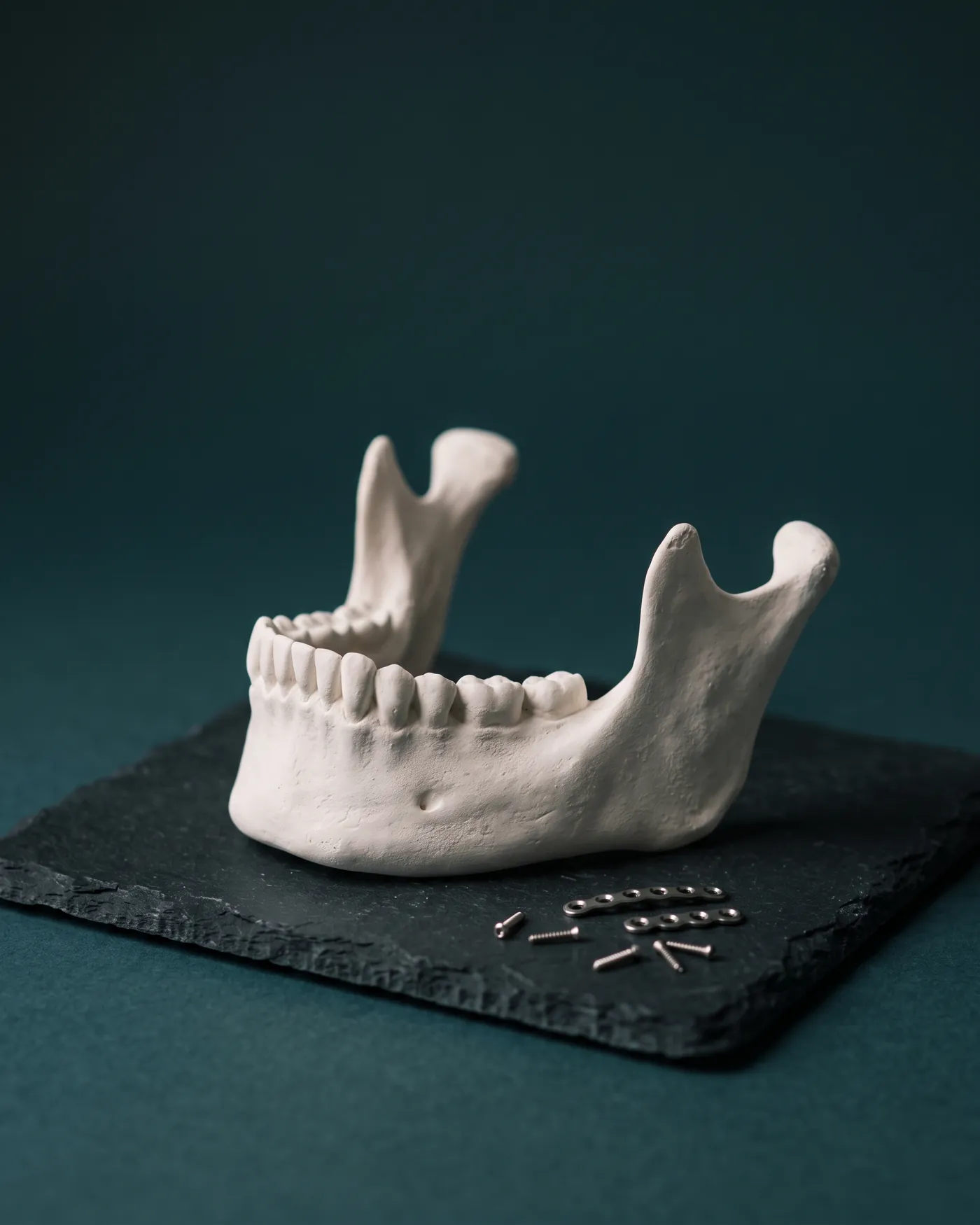
A blow breaks the body of the jaw between the teeth. If the fragments shift, a step appears and the bite no longer fits.
- 1Fracture line
- 2Step between the fragments
- 3Teeth
- 4Condyle
A tooth that is knocked out, broken or loosened, or a blow that breaks the jaw, the cheekbone or the eye socket: acting in the first minutes, with the right specialist, changes the outcome.
Approximate values: every case is different and your plan confirms them at the consultation.
It ranges from dental injuries—teeth that are fractured, displaced or knocked out—to fractures of the facial bones: jaw, upper jaw, cheekbone, nose and eye socket. The most common causes are falls, road accidents, sports and assaults.
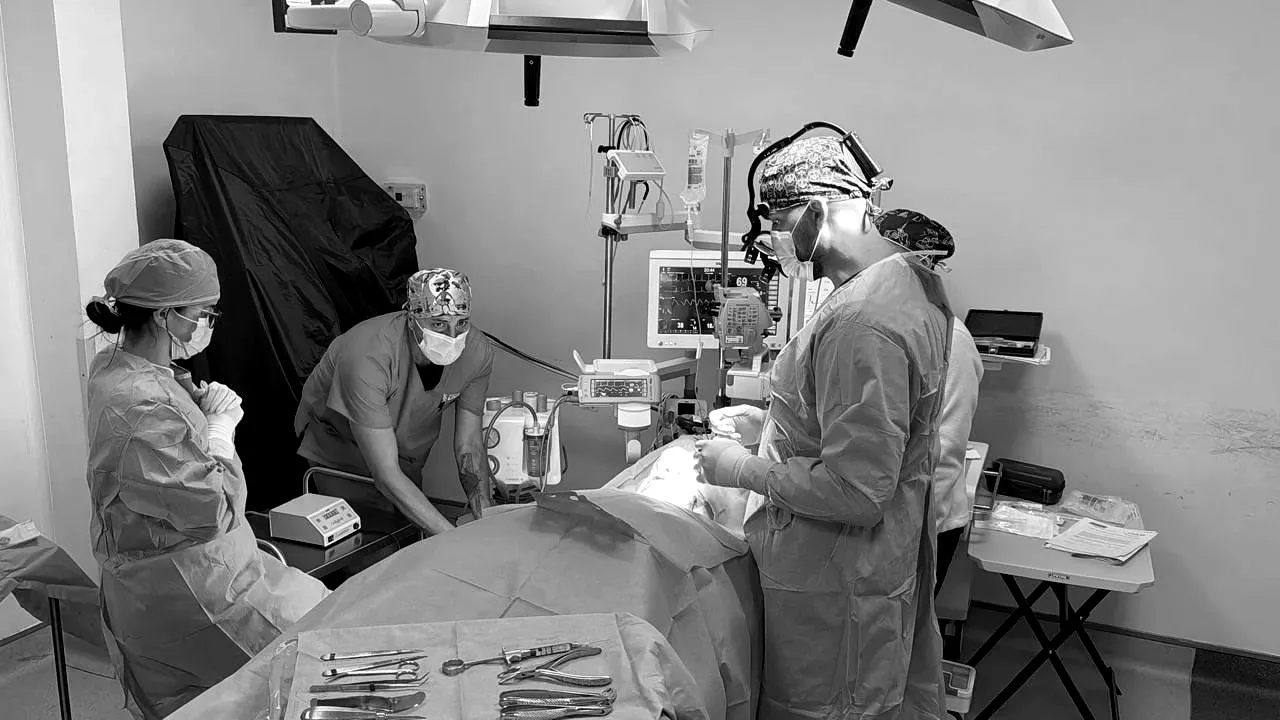
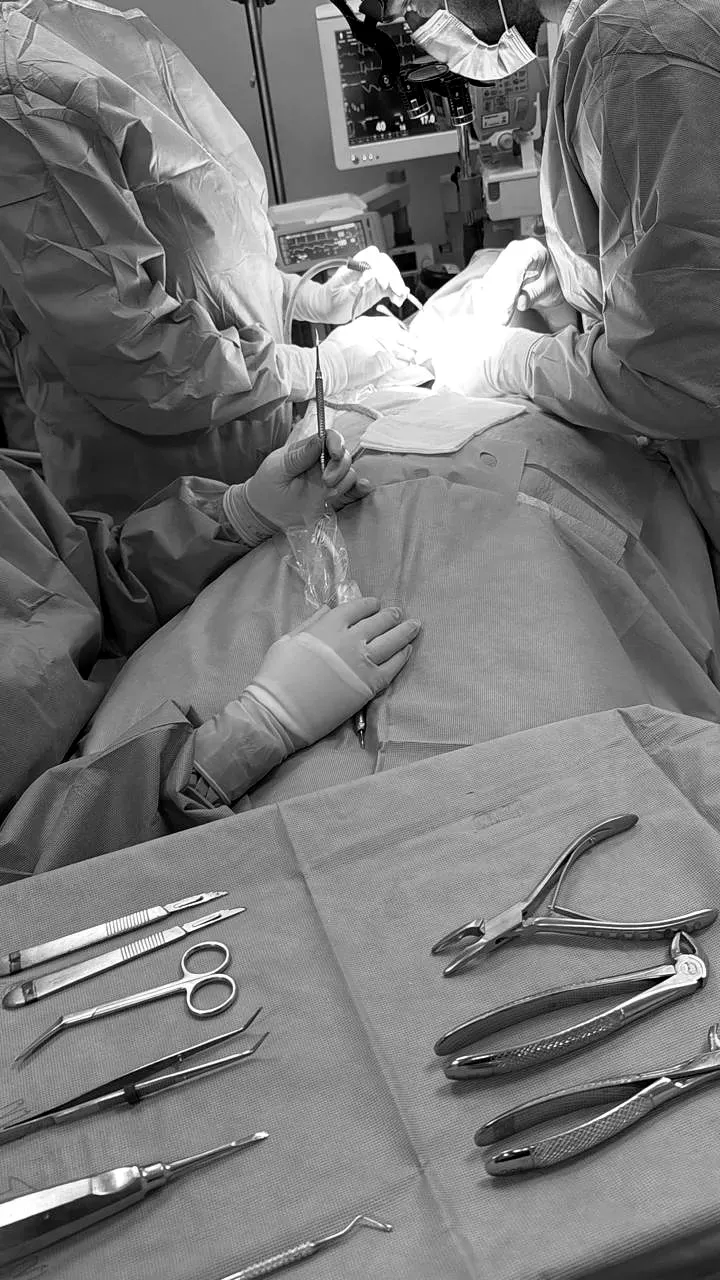
Displaced fractures are treated with surgery: the fragments are put back in place and fixed with titanium miniplates and screws. That way the bite returns to its position and the bone heals without shifting. When trauma, a cyst or a tumour leaves a bone defect, facial reconstruction restores it with grafts or custom-designed implants.
Dr. Rodríguez is a maxillofacial surgeon at the Trauma Hospital of Costa Rica's National Insurance Institute (INS) and was chief resident at the «Victorio de la Fuente Narváez» Trauma Hospital (IMSS) in Mexico City.
Baby teeth are not put back in: keep the tooth and see us anyway.
A blow breaks the body of the jaw between the teeth. If the fragments shift, a step appears and the bite no longer fits.
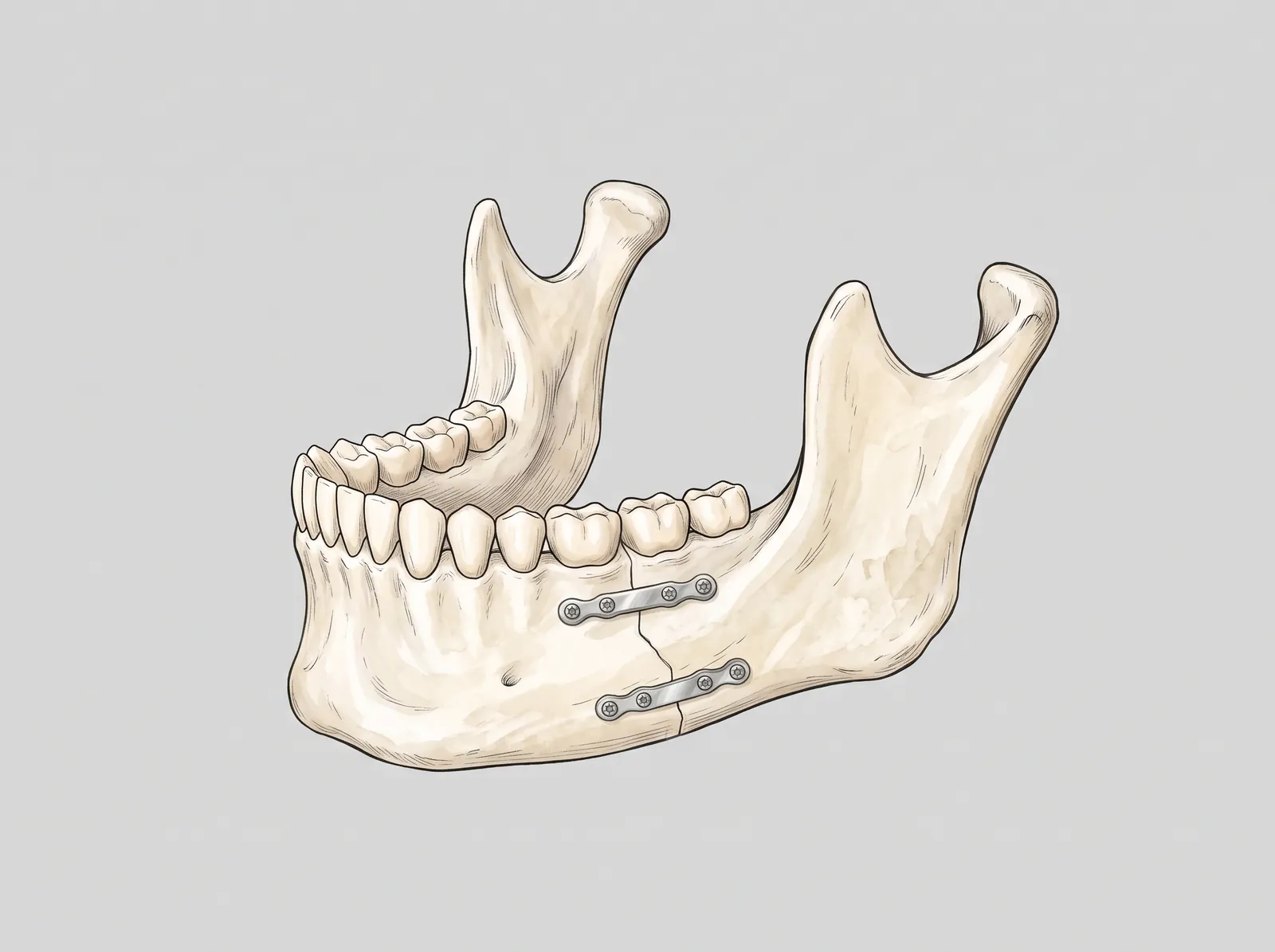
In the operating room the fragments are put back in place and fixed with titanium miniplates and screws, often from inside the mouth.
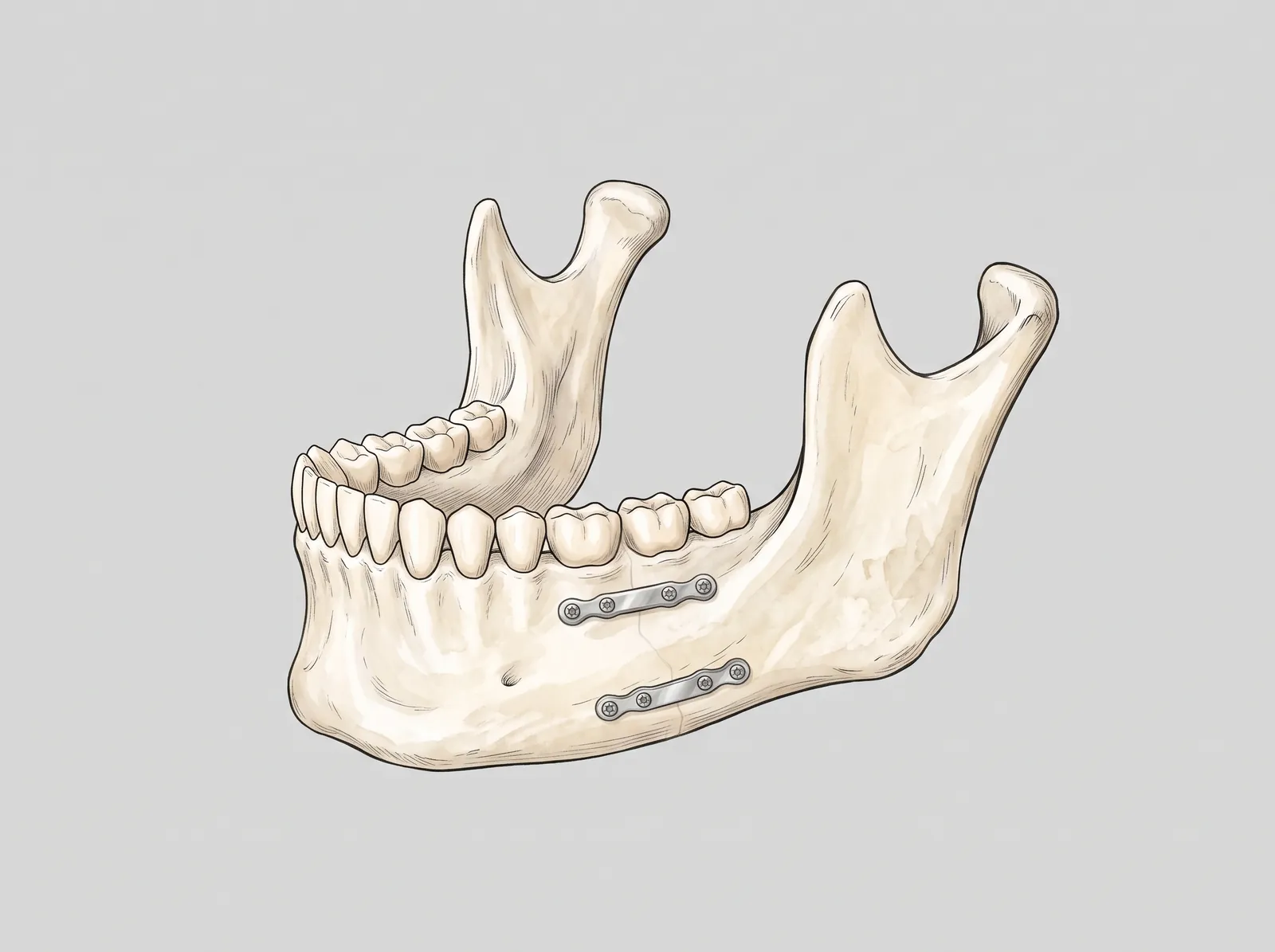
The bone heals in the right shape and the bite fits again. The plates usually stay for good and are not noticeable.
The tooth is repositioned and joined to its neighbours with a flexible splint for about two weeks; the tooth's nerve is then monitored.
Depending on the fracture, the tooth is repositioned, splinted or restored; sometimes it needs a root canal.
In the operating room the fragments are put back and fixed with titanium miniplates, often from inside the mouth.
Bone grafts or custom implants, planned on a CT scan, to restore what was lost.
Examination, pain control and a CT scan to see every fracture line.
Reduction and fixation with plates, under general anesthesia in hospital.
The bone heals: soft food, no forceful chewing.
Review of the bite, mouth opening and sensation.
Swelling and discomfort peak; cold packs and head raised.
Discomfort eases; liquid or soft diet.
Soft diet without forceful chewing; careful hygiene.
The jaw has usually healed; gradual return to a normal diet.
When to seek care promptly
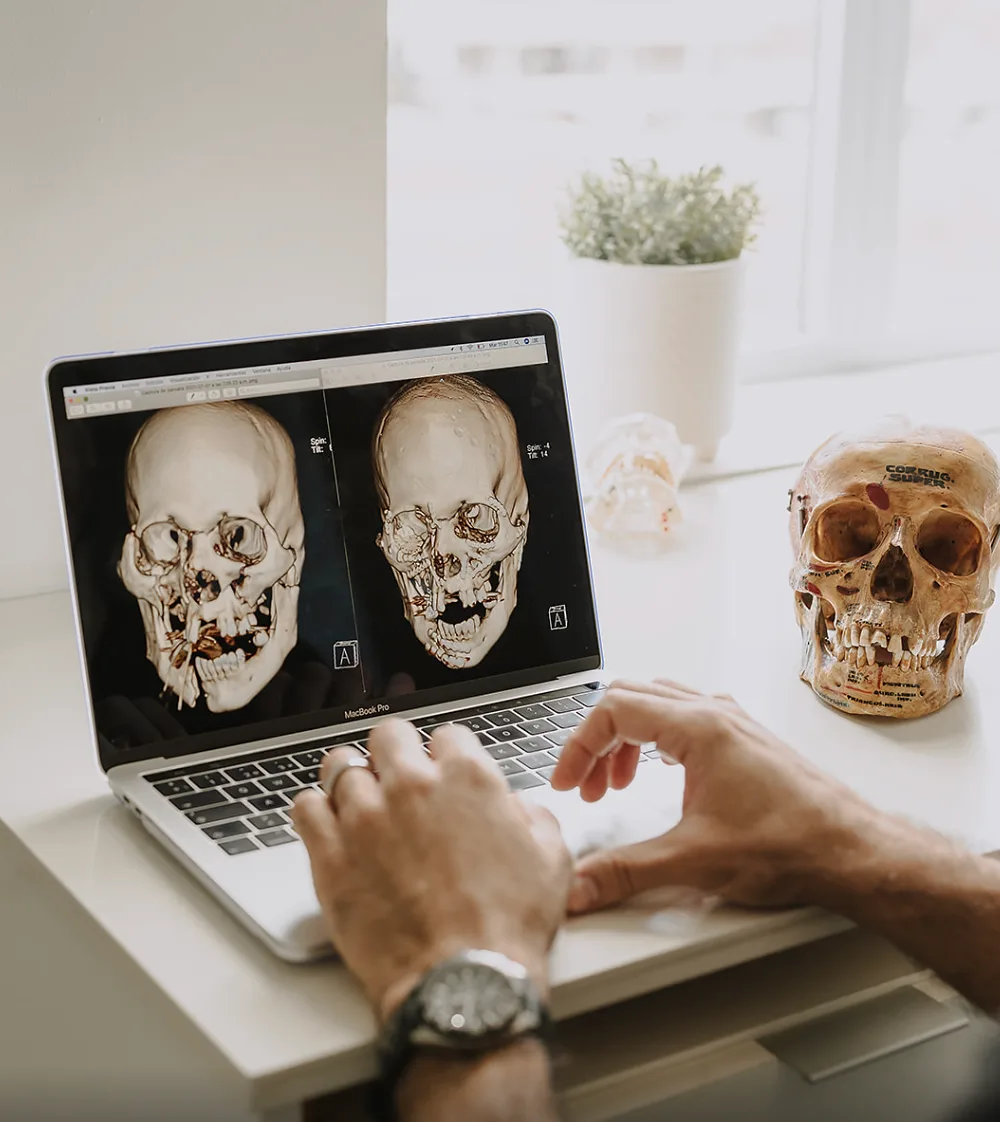
One visit to review your case with imaging and leave with a clear plan: procedure, time and recovery.