A swollen face
from a dental infection
A dental abscess does not heal on its own and can spread to the face and neck. If the swelling grows, or swallowing or breathing becomes difficult, it is an emergency.

- If breathing or swallowing is hard
- Go to the emergency room now
- Treatment
- Drain it and remove the cause
- Where
- In the practice or in hospital, depending on severity
- Diagnosis
- Examination, and a CT scan if it spreads
Approximate values: every case is different and your plan confirms them at the consultation.
It almost always starts in a tooth: deep decay, a half-erupted wisdom tooth or an infected gum. Pus collects in an abscess and, if untreated, makes its way into the spaces of the face and neck.
Treatment has three parts: draining the pus, removing the cause—treating or extracting the tooth—and antibiotics when indicated. Antibiotics alone do not cure an abscess that is not drained.
Ludwig's angina is an infection of the floor of the mouth, usually from a lower molar, that progresses within hours and can close the airway. It is a medical emergency.
- 01It is hard to breathe, speak or swallowor you cannot swallow your saliva.
- 02The swelling reaches the eye or the neckor grows quickly.
- 03You cannot open your mouthor your tongue is pushed up.
- 04You have a high fever and feel very unwellalong with the swelling.
In Costa Rica, if breathing is difficult, call 9-1-1.
Drain it, and treat the cause.
- 01Localised abscess
Drainage in the practice
Under local anesthesia the abscess is opened so the pus can drain; relief is usually quick.
- 02Always
Treat the cause
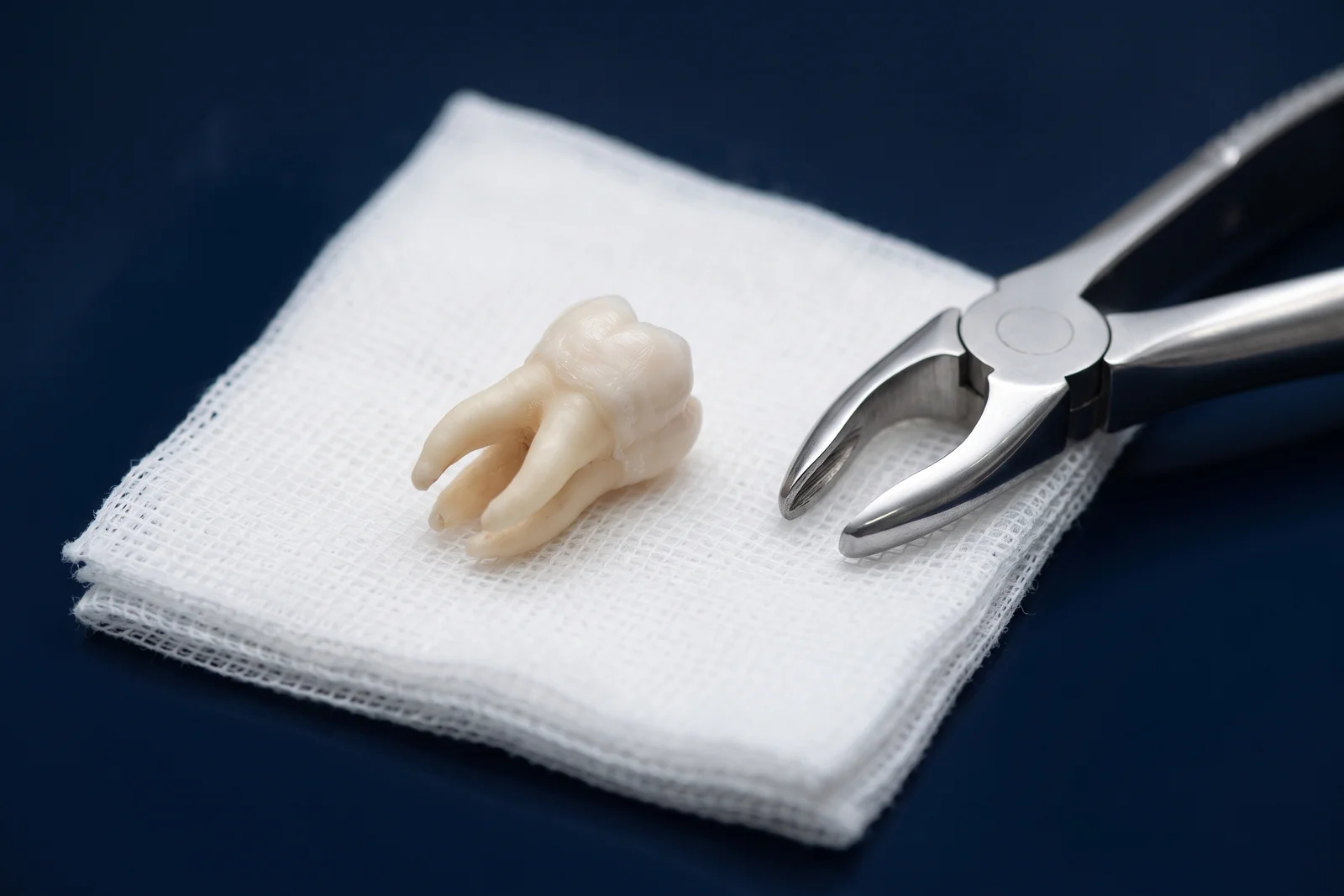
Extraction or root canal treatment of the tooth, so the infection does not come back.
- 03Spreading infection
Hospital management
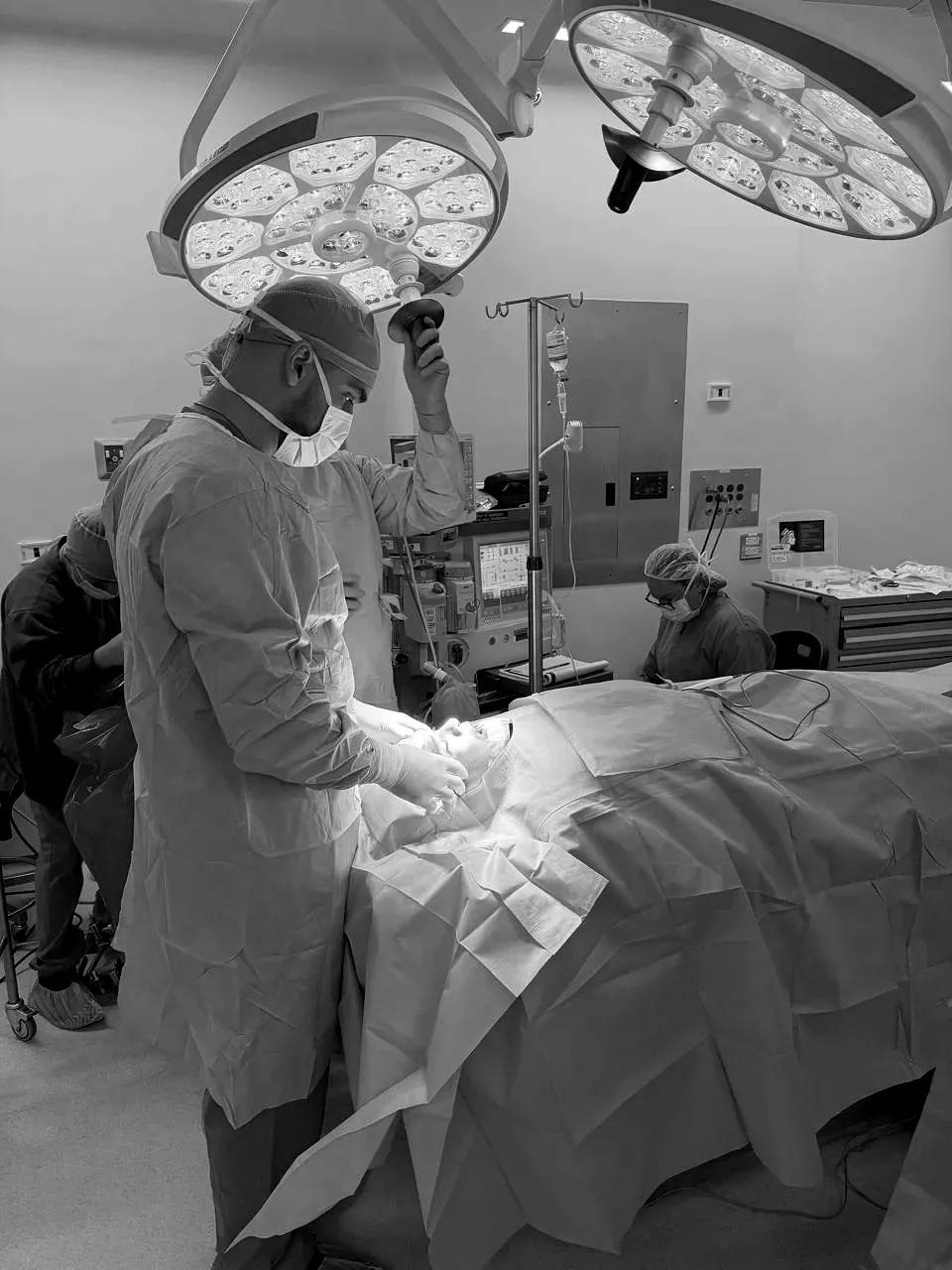
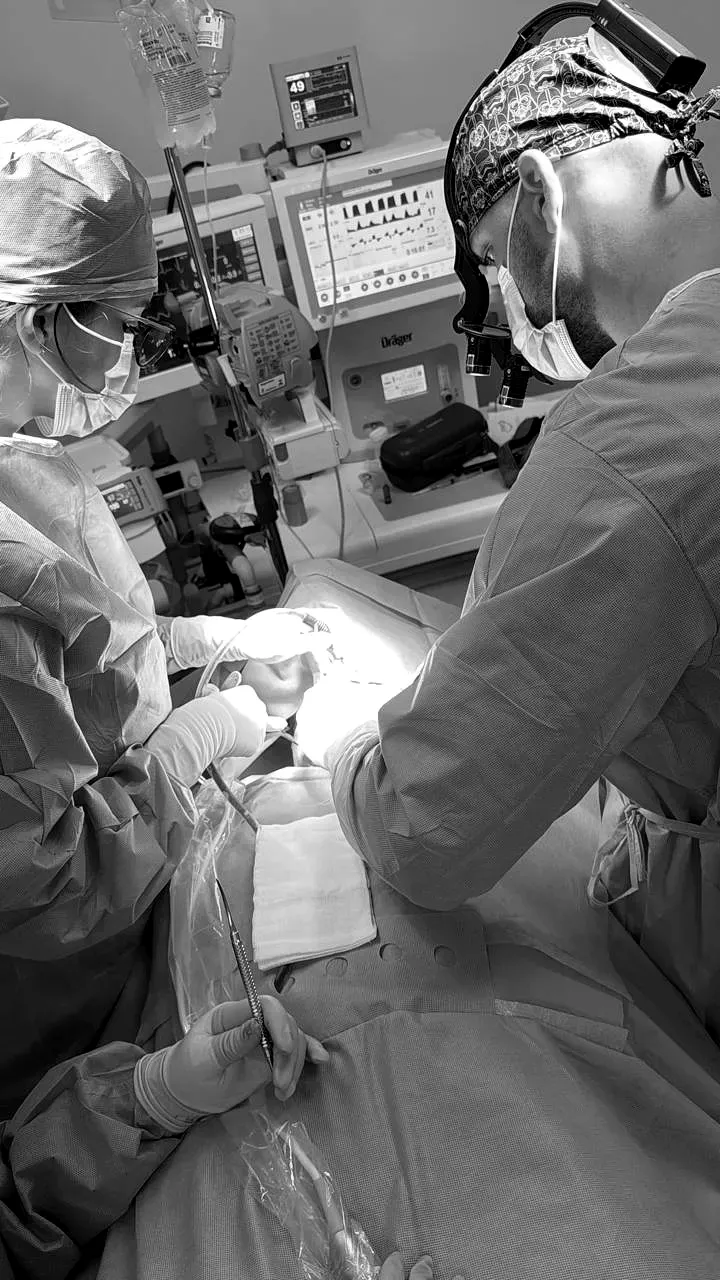
Intravenous antibiotics, drainage in the operating room and, if needed, protection of the airway.
From the emergency to the cause.
- 01EmergencyAirway and extent
Examination and, if the infection is spreading, a CT scan.
- 02Same dayDrainage
In the practice or in the operating room, depending on how far it has spread.
- 03Same day or days laterRemove the cause
Extraction or treatment of the tooth that caused the infection.
- 04Following daysCheck-up
Review of the swelling, the drainage and the antibiotics.
What to expect
- Hours
Pressure pain eases as the pus drains.
- Days 1–3
Swelling starts to go down; antibiotics if prescribed.
- Week 1
Wound check-up.
- Afterwards
Complete the treatment of the tooth.
What patients ask before deciding.

Book your consultation.
One visit to review your case with imaging and leave with a clear plan: procedure, time and recovery.