Cleft lip and palate:
treatment in stages
A cleft of the lip or palate is treated by a team and in stages, from the first months until growth is complete. Each surgery has its moment.
- Lip
- Around 3–6 months
- Palate
- Around the first year
- Bone graft
- Around 8–10 years
- Approach
- Multidisciplinary team
Approximate values: every case is different and your plan confirms them at the consultation.
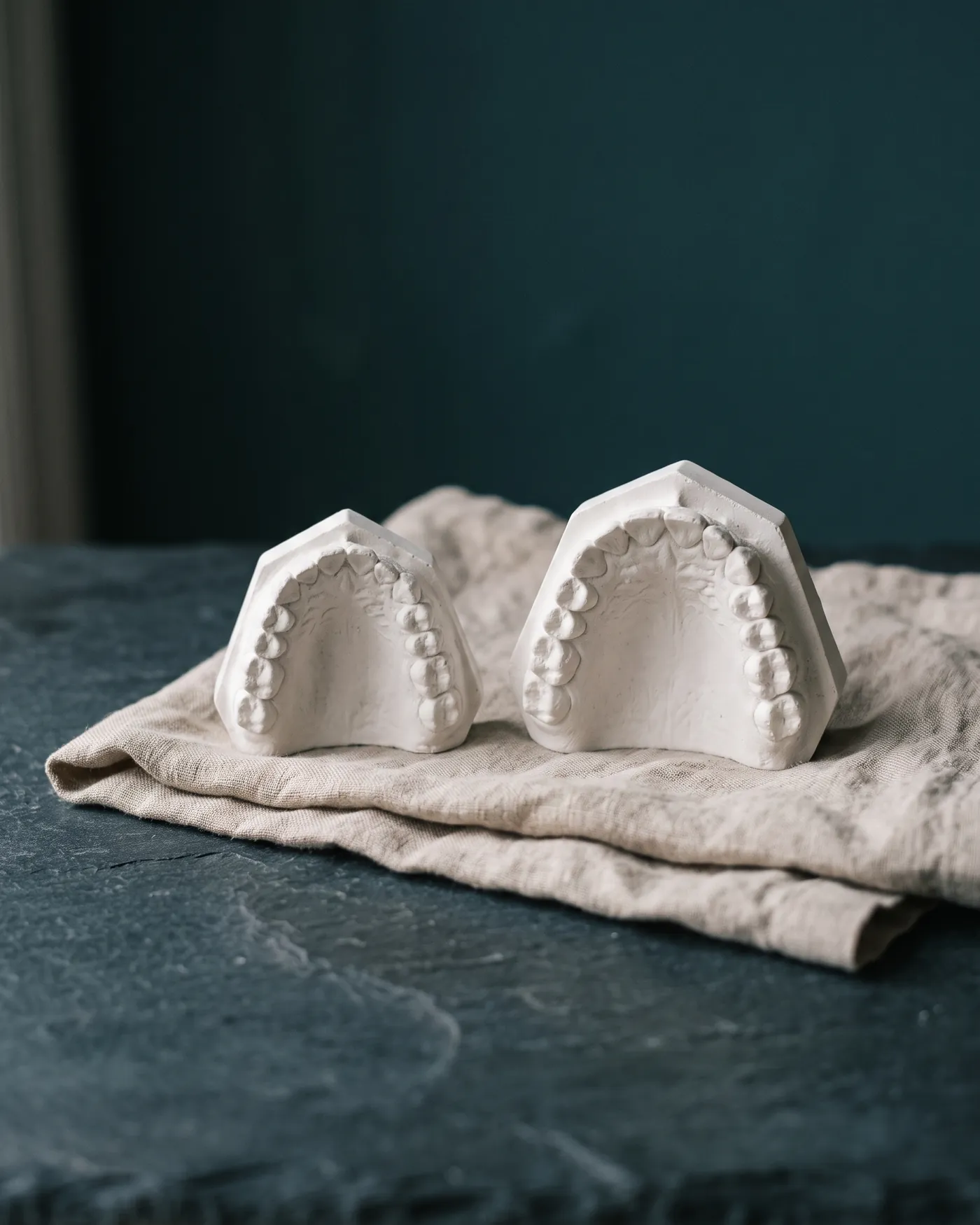
It is an opening in the lip, the palate or both, which forms during pregnancy when these structures do not fully join. It can affect feeding, speech, hearing and the position of the teeth.
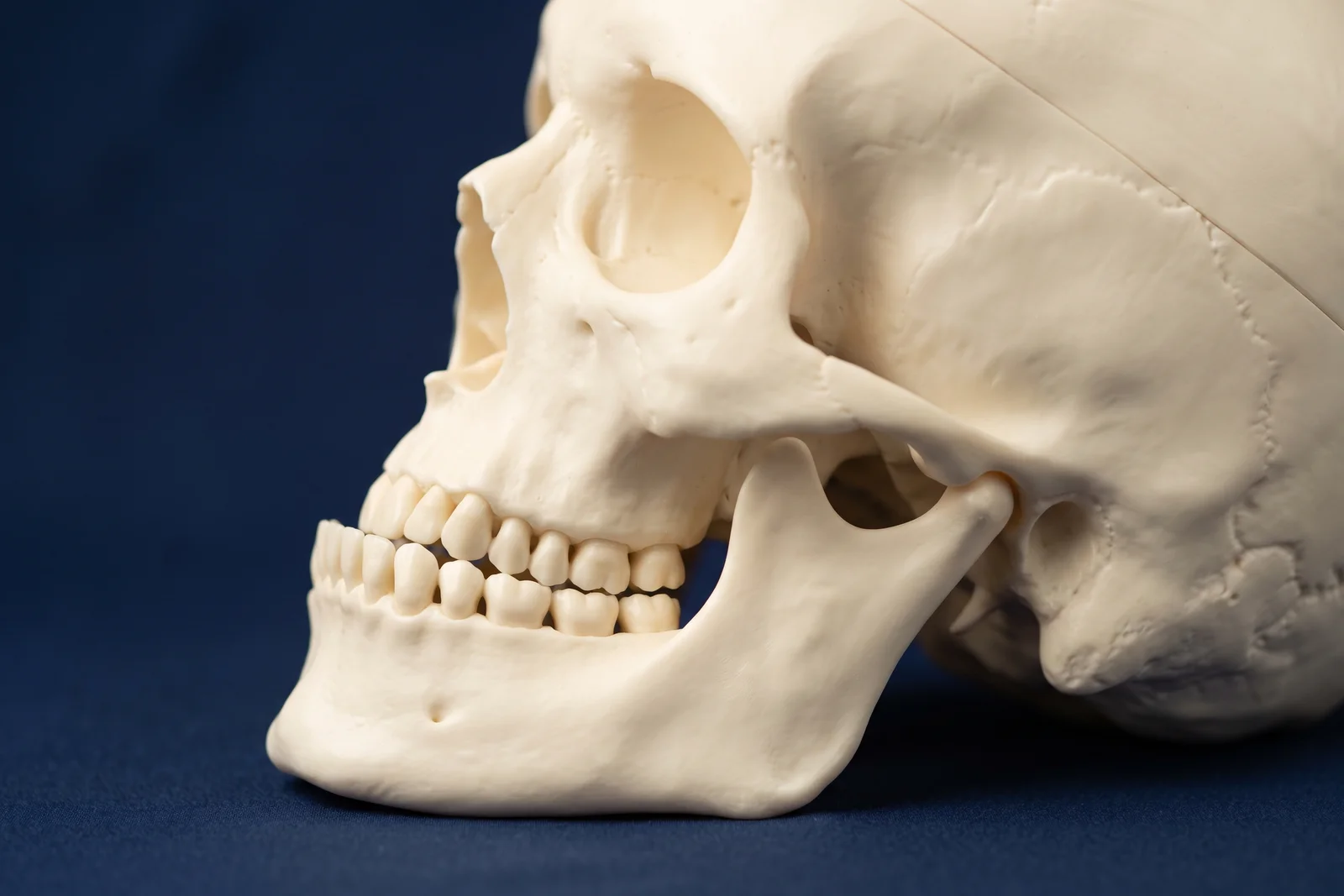
It is not corrected with a single surgery: the plan follows growth. First the lip and palate are repaired; years later, the bone of the gum (alveolar graft); and at the end of growth, if needed, the position of the jaws.
During his specialty at UNAM, Dr. Rodríguez took part in cleft lip and palate surgical campaigns in several Mexican states, and has given lectures on its management.
- 01Maxillofacial and plastic surgeryfor the repairs and grafts.
- 02Orthodonticsto guide the teeth and prepare each stage.
- 03Speech therapyfor speech after the palate is closed.
- 04Paediatrics and ENTfor feeding and hearing.
The exact timeline is set by the team for each child.
Each surgery, at its moment.
Ages are approximate and adjusted to each case.
- 013–6 months
Lip repair
The lip and its muscle are joined and the shape of the nose is improved.
- 02Around the first year
Palate repair
The palate is closed and its muscle rebuilt, which is key for speech.
- 038–10 years
Alveolar bone graft
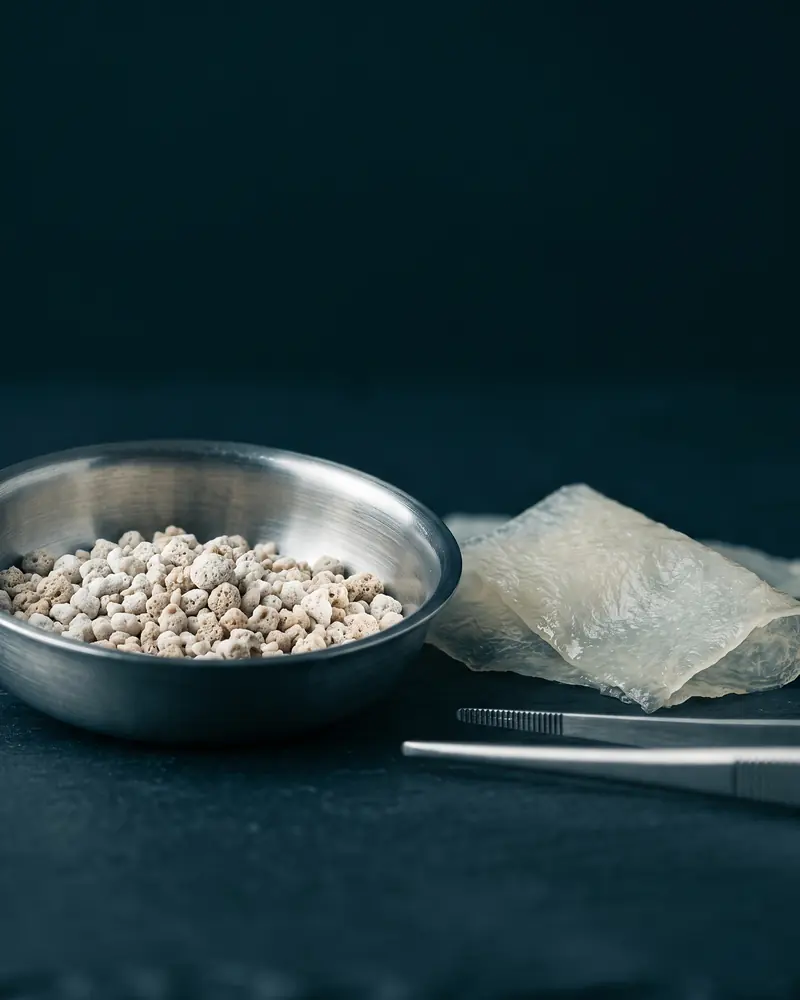
Bone is placed in the gum cleft before the permanent canine comes in, so it has a path to erupt.
- 04When growth is complete
Orthognathic surgery
If the upper jaw has stayed behind, it is brought forward to correct the bite and the profile.
From diagnosis to adolescence.
- 01Pregnancy or birthDiagnosis and plan
A cleft lip is often seen on the ultrasound. The team explains the stages and how to feed the baby.
- 02First yearLip and palate
The first two surgeries, under general anesthesia.
- 03ChildhoodSpeech and hearing
Speech therapy and hearing check-ups.
- 048–10 yearsAlveolar graft
Bone in the gum cleft, coordinated with the orthodontist.
- 05AdolescenceOrthodontics and, if needed, orthognathic surgery
When growth is complete, the position of the jaws is finalised.
What to expect
- Days 1–2
Short hospital stay to control pain and hydration.
- Weeks 1–2
Liquid diet; pain improves in the first days.
- Weeks 3–6
Soft diet; nothing hard in the mouth.
- Month 3
Check-up X-ray with the orthodontist.
What patients ask before deciding.
Book your consultation.
One visit to review your case with imaging and leave with a clear plan: procedure, time and recovery.